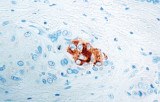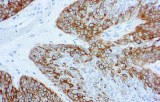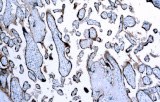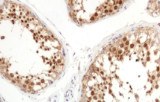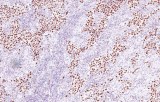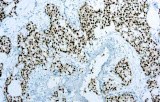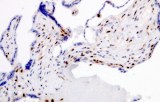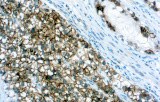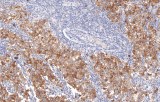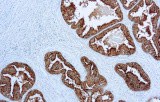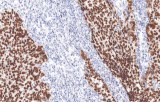


Immunohistochemistry (IHC) has become an essential component of modern genitourinary (GU) pathology, enabling precise characterization of tumors affecting the prostate, kidney, urinary bladder, and testis. Peer-reviewed literature consistently highlights that morphology alone may be insufficient in challenging biopsies or limited tissue samples; therefore, antibody-based IHC panels play a central role in differential diagnosis, tumor classification, and biomarker-driven clinical decision-making.
CE/IVD-validated antibodies designed for diagnostic IHC workflows are widely used to support standardized, reproducible staining protocols in clinical laboratories. These reagents are particularly relevant for pathology laboratories operating under regulated diagnostic environments where analytical reliability and regulatory compliance are required. From a scientific perspective, IHC functions as an adjunct to histomorphology by highlighting lineage-specific proteins, cellular differentiation markers, and tumor-associated antigens that define genitourinary neoplasms.
Key Features of CE/IVD Antibodies for IHC in GU Pathology
High Diagnostic Specificity and Sensitivity
Peer-reviewed data demonstrate that selected antibody markers provide strong diagnostic discrimination, improving accuracy in difficult cases where routine histology alone may be inconclusive.
Standardization for Clinical Laboratories
CE/IVD antibodies support standardized staining and interpretation workflows, aligning with guideline-driven diagnostic practices described in genitourinary pathology reviews.
Support for Differential Diagnosis
IHC panels enable differentiation among benign mimickers, primary GU tumors, and metastatic malignancies by highlighting cell lineage and tumor-specific antigens.
Integration with Modern Biomarker-Driven Oncology
Recent literature highlights the expanding role of IHC as a surrogate for molecular profiling and biomarker discovery, particularly in bladder and prostate cancer subtyping.