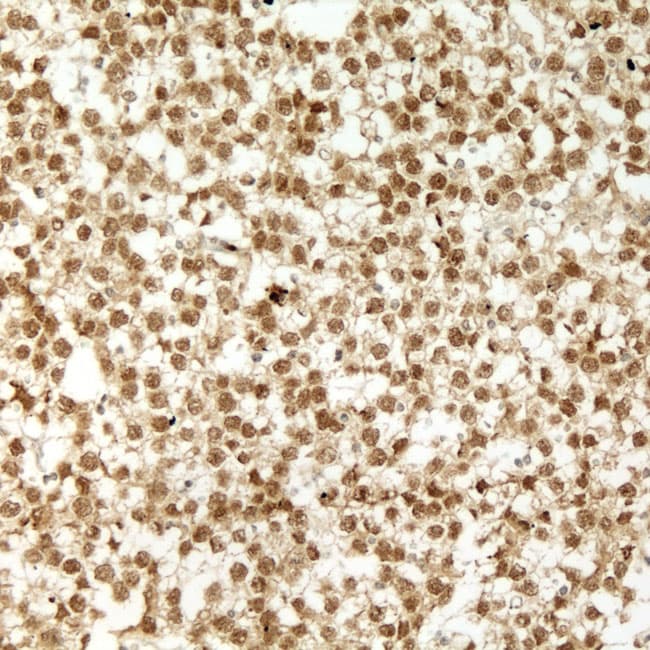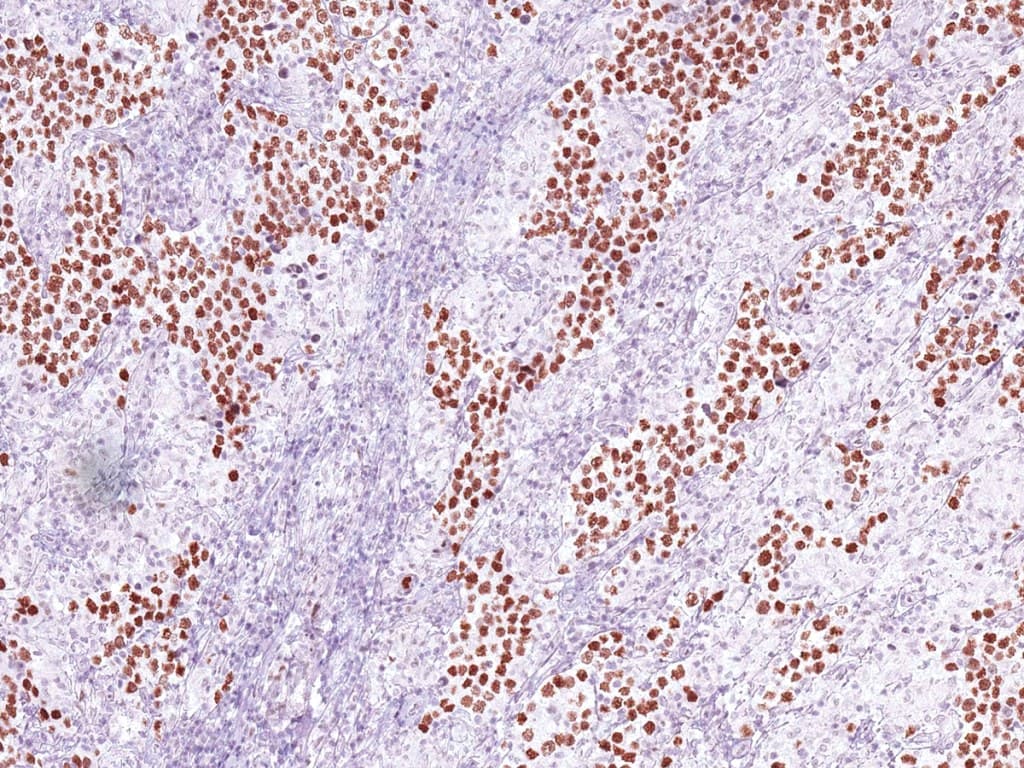

Nanog is a pluripotency-associated transcription factor widely investigated as a cancer stem cell biomarker, making Anti-NANOG antibodies relevant for advanced diagnostic IHC workflows and translational research in genitourinary pathology. Peer-reviewed studies demonstrate that NANOG contributes to tumor initiation, cellular self-renewal, and aggressive phenotypes, supporting its inclusion in modern biomarker panels.
Biological Significance of NANOG
- NANOG regulates stemness pathways controlling self-renewal and differentiation, which are hallmarks of cancer stem cell populations.
- Overexpression has been linked to tumor progression, therapy resistance, and poor differentiation across multiple malignancies.
- In prostate cancer models, elevated NANOG expression correlates with enhanced proliferative and stem-like characteristics, supporting its biological relevance in genitourinary tumors.
Diagnostic Utility of NANOG in Genitourinary Pathology
- Immunohistochemical detection of NANOG assists in identifying tumor stem-cell phenotypes that may influence disease aggressiveness and clinical outcomes.
- Studies in prostate cancer indicate NANOG enrichment within stem-like subpopulations, suggesting potential diagnostic and research utility for prostate tumor characterization.
- NANOG expression patterns have also been investigated in germ-cell tumors and other urogenital malignancies as indicators of pluripotent differentiation status.
Key Features of Anti-NANOG CE/IVD Antibodies
- Designed for nuclear staining in formalin-fixed paraffin-embedded (FFPE) tissues, aligning with published IHC methodologies for stem-cell markers.
- Enables detection of CSC-associated transcriptional activity relevant to tumor stratification and translational oncology research.
- Supports integration into multiplex biomarker panels targeting cancer stem cell pathways and tumor progression markers.