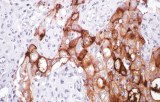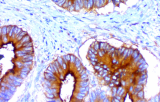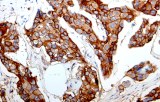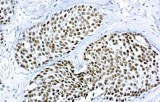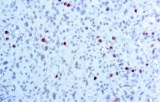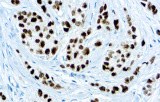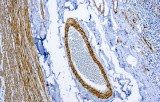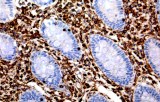


Gynecologic pathology is the medical subspecialty focused on diagnosing diseases of the female genital tract, encompassing conditions ranging from endocervical adenocarcinomas to ovarian germ cell tumors. The five primary gynecologic cancers are ovarian, endometrial/uterine, cervical, vulvar, and vaginal cancers, each with distinct etiologies and risk factors, including age, family history, and hormonal influences.
Breast cancer, while not a gynecologic malignancy, is a common cancer in women and presents diagnostic challenges. Key clinical features include palpable masses, nipple changes, and skin alterations. Accurate pathological assessment is critical for classification and treatment planning.
Importance of Diagnostic Primary Antibodies in IHC
Immunohistochemistry (IHC) using CE/IVD primary antibodies is essential for accurate diagnosis and classification of both gynecologic and breast malignancies. These antibodies allow precise detection of tumor markers and cellular proteins, supporting differential diagnosis and guiding personalized treatment strategies.
Gynecologic Cancers
Recent studies highlight the diagnostic value of SWI/SNF complex proteins, particularly ARID1B, in identifying dedifferentiated and undifferentiated gynecologic malignancies, which are aggressive tumors with poor prognosis. ARID1B IHC provides high specificity and is increasingly incorporated into diagnostic panels to improve accuracy. Panels including additional markers also assist in differentiating uterine sarcomas, enhancing diagnostic precision. Emerging evidence suggests ARID1B may represent a potential therapeutic target in ovarian clear cell carcinoma, though clinical applications remain investigational.
Breast Cancer
Primary antibodies targeting estrogen receptor (ER), progesterone receptor (PR), HER2, and Ki-67 remain the cornerstone for breast cancer classification and treatment decisions. These antibodies are clinically validated and CE/IVD marked to ensure reliable and reproducible biomarker detection, which is critical for guiding hormone therapy and targeted treatment strategies.
Advantages of CE/IVD Primary Antibodies in Diagnostic IHC
- High specificity and sensitivity: Enable reliable tumor subtype identification, minimizing false diagnoses.
- Regulatory compliance (CE/IVD marking): Ensures quality, safety, and clinical applicability.
- Validated protocols and extensive clinical use: Guarantee reproducibility across laboratories.
- Complementary role with molecular diagnostics: Integration with sequencing and other molecular data enhances comprehensive tumor classification, as illustrated in endometrial carcinoma management.