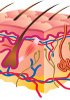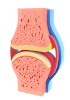


Human tissue pieces and blocks are research biospecimens used to investigate tissue architecture, disease-associated molecular changes, cellular phenotypes, and tissue-specific biomarkers. Depending on the collection, preservation, and processing methods, tissue may be supplied as fresh, frozen, or formalin-fixed paraffin-embedded (FFPE) pieces and blocks, with associated pathological, clinical, and pre-analytical information when available. Human tissue biobanks are important resources for translational research, biomarker discovery, molecular pathology, and studies of disease mechanisms.
Key Features
-
Human tissue specimens from normal, diseased, or tumor tissues.
-
Available as tissue pieces, frozen specimens, and FFPE blocks.
-
Suitable for histology, immunohistochemistry (IHC), immunofluorescence (IF), molecular profiling, genomics, transcriptomics, and biomarker research.
-
May be accompanied by relevant pathological, clinical, and pre-analytical information.
-
Tissue format and preservation may be selected according to downstream analytical requirements.
Usual Research Applications
Human tissue pieces and blocks are used in cancer research, pathology, neuroscience, immunology, cardiovascular research, tissue-specific disease studies, drug development, and translational research. FFPE specimens are particularly valuable for retrospective studies and histopathological analyses, while appropriately collected and stored frozen tissues can be useful for molecular analyses, including applications requiring preservation of nucleic acids.
Because ischemia time, fixation, processing, freezing, and storage conditions can affect tissue morphology and molecular integrity, these pre-analytical variables should be considered when selecting and interpreting human tissue biospecimens.