

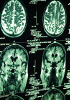
Human brain tissue pieces and blocks are foundational resources in neuroscience, neuropathology, and translational biomedical research. Unlike thin sections, these relatively large fragments of brain tissue—ranging from millimeter-scale pieces to centimeter-size blocks—retain the three-dimensional cytoarchitectural and molecular context, enabling comprehensive anatomical, histological, and molecular investigations. Their use is crucial for mapping brain structure, studying disease mechanisms, and developing advanced models, including organoids and engineered tissues.
Research and Clinical Applications
- Histological Studies: Brain blocks enable detailed mapping of brain cytoarchitecture, connectivity, and pathology through serial sectioning and staining.
- Molecular and Omics Analyses: Large tissue samples are ideal for extracting RNA, DNA, proteins, and metabolites for genomics, proteomics, or metabolomics studies.
- 3D Brain Mapping: Using serial sectioning and reconstruction from brain blocks, researchers can create three-dimensional maps of neural networks and pathology.
- Cultured Slices and Live Tissue: Blocks or pieces can be sliced for ex vivo culture, used to study functional electrophysiology, pharmacology, or neurodevelopment.
- Tissue Engineering and Organoid-Based Research: Intact brain tissue provides a source for brain organoids—miniaturized, simplified versions of brain tissue for developmental and disease modeling.
Advantages of Using Brain Tissue Pieces and Blocks
- Preservation of 3D Architecture: Maintains neural connectivity and microenvironment, crucial for studies requiring spatial context.
- Versatile Analytical Methods: Compatible with a range of downstream analyses, from standard histology to advanced imaging and sequencing.
- Human-Specific Insights: Offers unparalleled relevance for studying human brain disease, surpassing the limitations of animal models or cell cultures.
Human brain tissue pieces and blocks are invaluable for the investigation of brain structure, function, and pathology. Their size, integrity, and preservation facilitate multidimensional research—combining classic histology, modern “omics,” and cutting-edge bioengineering. As technologies evolve, these fundamental specimens will remain at the heart of breakthroughs in neuroscience and brain disease research.