
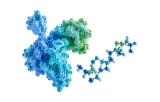
Animal-free proteins and peptides are biologically active macromolecules that are both discovered and produced without the use of animal-derived materials at any stage of the process. This category encompasses recombinant proteins expressed in microbial, plant, or mammalian cell systems, as well as chemically synthesized peptides. The shift toward animal-free production addresses ethical concerns regarding animal welfare, eliminates the risk of adventitious agent contamination (including viruses and prions), reduces immunogenicity associated with xenogeneic sequences, and provides sequence-defined reagents with superior batch-to-batch reproducibility.
Key Advantages
Animal-free proteins and peptides offer several scientific advantages. Sequence definition provides a unique identifier that enables unlimited and sustainable supply, ensuring experimental reproducibility across laboratories and over time. Reduced immunogenicity is a critical benefit. Elimination of adventitious agents removes the risk of viral, prion, or other pathogenic contamination associated with animal-derived materials. Scalability and sustainability are achieved through fermentation and bioprocessing platforms that do not depend on animal husbandry. Defined composition eliminates the batch-to-batch variability inherent to animal-derived products; recombinant laminin-like proteins are being developed to replace basement membrane extract (BME), a poorly defined, highly variable, and immunogenic matrix currently derived from tumour-bearing mice.