

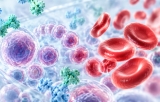
Erythropoietic factors are a family of cytokines and growth factors that regulate the proliferation, survival, and differentiation of erythroid progenitor cells into mature red blood cells (RBCs). The principal members include erythropoietin (EPO), stem cell factor (SCF), interleukin-3 (IL-3), and insulin-like growth factor I (IGF-I). Animal-free erythropoietic factors are recombinant proteins that are both produced in defined expression systems and manufactured without the use of any animal-derived reagents or components at any stage of the production process. These reagents address critical safety, reproducibility, and regulatory concerns that arise from conventional production methods relying on fetal bovine serum (FBS) and other animal-derived materials.
Rationale for Animal-Free Production
Conventional production of erythropoietic factors, particularly recombinant human EPO, has historically relied on Chinese hamster ovary (CHO) cells cultured in media supplemented with fetal calf serum and optionally bovine insulin. These animal-derived components introduce undefined and variable mixtures of proteins, growth factors, and hormones that compromise experimental reproducibility and pose risks of contamination with viruses, prions, and mycoplasma. The downsides of mammalian cell production systems include high production costs, limited scalability, and risks of contamination by animal pathogens.
Animal-free erythropoietic factors eliminate these risks by employing serum-free culture conditions, animal component-free media, and purification processes that exclude animal-derived reagents. The resulting preparations are characterized by host-cell protein content of ≤100 ppm, host cell DNA content of ≤10 pg per 83 µg of EPO, and total absence of mammalian proteins not derived from the host cell. The elimination of animal-derived raw materials removes the risk of adventitious agent contamination, enables greater batch-to-batch reproducibility, facilitates compliance with Good Manufacturing Practice (GMP) requirements, and aligns with the principles of replacement, reduction, and refinement in animal research.