

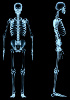
Human skeletal system RNA encompasses the total RNA and messenger RNA (mRNA) populations extracted from the tissues of the human skeletal system, including bone, cartilage, synovium, skeletal muscle, and associated connective tissues. These RNA preparations serve as essential research tools for investigating gene expression profiles, transcriptomic landscapes, and molecular mechanisms underlying skeletal development, homeostasis, and disease pathogenesis. The skeletal system is a complex organ system comprising mineralized tissues (cortical and trabecular bone), avascular cartilage, synovial membrane, fibrocartilaginous structures such as the meniscus, and skeletal muscle. Each tissue type presents unique challenges for RNA isolation due to variations in cellularity, extracellular matrix composition, and biochemical properties. The study of RNA from human skeletal tissues is fundamental to understanding musculoskeletal disorders including osteoarthritis (OA), rheumatoid arthritis (RA), osteoporosis, and skeletal dysplasias.
Applications in Research
Osteoarthritis and rheumatoid arthritis research. Total RNA from osteoarthritic cartilage and synovium is used for RT-qPCR analysis of inflammatory mediators, catabolic enzymes, and anabolic factors to investigate disease mechanisms. Comparative transcriptomic analyses of cartilage, synovium, and other joint tissues enable identification of tissue-specific gene expression signatures and disease-associated pathways.
Bone biology and osteoporosis research. RNA extracted from cortical and trabecular bone is used to study gene expression of bone formation markers (e.g., RUNX2), bone resorption markers (e.g., sclerostin), and Wnt pathway components. The simultaneous extraction of RNA and proteins from the same bone sample enables direct comparison between transcriptome and proteome for a better understanding of molecular mechanisms underlying bone diseases.
Skeletal muscle research. Skeletal muscle total RNA is used for Northern blot analysis of mRNA transcripts encoding fatty acid-binding proteins (FABPpm, FABPc), fatty acid translocase (FAT/CD36), and fatty acid transport protein 1 (FATP1), as well as for studies of muscle metabolism, exercise physiology, and insulin resistance.
Mesenchymal stem cell research. RNA from bone marrow mesenchymal stem cells, which form bone, cartilage, and fat cells, is used to study differentiation pathways and to identify transcripts for proteins and transcription factors essential for lineage commitment.
Developmental biology. A multi-omic atlas of human embryonic skeletal development has been constructed using RNA-seq of fetal cartilage tissues, including epiphyseal and growth plate cartilages microdissected from the distal femur.

