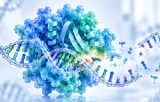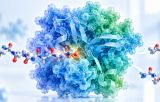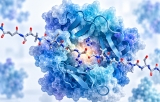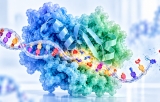

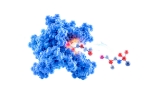
Animal-free enzymes are biocatalysts that are both discovered and produced without the use of animal-derived materials at any stage of the manufacturing process. Traditional enzyme production has relied on extraction from animal tissues—porcine pancreas for trypsin, bovine liver for catalase, and calf stomach for rennin—introducing risks of viral and prion contamination, batch-to-batch variability, and ethical concerns. Animal-free enzymes, produced predominantly through recombinant microbial expression, plant-based platforms, or chemical synthesis, eliminate these risks while providing sequence-defined reagents with superior reproducibility and regulatory compliance.
Rationale for Animal-Free Production
The shift toward animal-free enzymes is driven by several critical factors. Animal-derived enzymes carry the risk of contamination with transmissible spongiform encephalopathy (TSE/BSE) prions and mammalian viruses, necessitating documented supplier qualification and rigorous risk assessment. Recombinant (animal-free) enzymes are exempt from TSE/BSE requirements but must demonstrate the absence of animal-derived components in the production process. Animal-derived components introduce undefined and variable mixtures that compromise experimental reproducibility. The use of animal-free enzymes eliminates many quality and regulatory concerns, minimizing the risk of potential BSE/TSE and mammalian viral contaminants.