

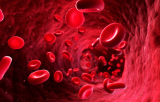
Primary cells derived from hematological tissues are essential for understanding the biology and pathophysiology of various blood disorders, including leukemia, anemia, sickle cell disease, and lymphoma. These cells maintain the authentic characteristics of blood tissues, making them invaluable for disease modeling, drug testing, and the development of personalized treatments in hematology.
Key Features of Hematological Disease Primary Cells
-
Disease-Specific Characteristics : Capture the unique features of blood-related diseases, including mutations, gene expression changes, and abnormal cellular behavior.
-
Cell Types : Include hematopoietic stem cells, erythrocytes, leukocytes, platelets, and macrophages, each essential for studying the development and progression of blood disorders.
-
Physiological Relevance : Unlike immortalized cell lines, primary cells retain the physiological and functional properties of their original tissue, enhancing the accuracy of research findings.
-
Wide-Ranging Applications : Used in studying disease mechanisms, drug screening, gene therapy research, and cellular therapies for hematological conditions.
Applications in Hematological Research
-
Disease Modeling : Primary blood cells are used to study genetic mutations, cellular transformations, and disease progression in blood-related conditions like leukemia and lymphoma.
-
Drug Discovery & Testing : They provide a reliable platform for evaluating the effects of new drugs, including chemotherapeutic agents and targeted therapies for blood cancers.
-
Gene Therapy : Essential for testing gene-editing technologies such as CRISPR in the context of hematological disorders, offering the potential for curative therapies for diseases like sickle cell anemia.
-
Cellular Therapies : Used to develop and optimize stem cell-based therapies, such as bone marrow transplants and regenerative approaches for hematologic diseases.
Advantages of Using Primary Cells in Hematological Disease Research
-
High Relevance to Disease : Primary blood cells better replicate the in vivo environment of hematological diseases, providing more reliable data for therapeutic applications.
-
Personalized Approaches : Allow for patient-specific research, which is crucial for developing personalized treatment regimens for conditions like leukemia and anemia.
-
Comprehensive Understanding : Enable researchers to explore the complex interactions between different cell types in the hematopoietic system, enhancing our understanding of disease progression and treatment response.
List of Primary Cells for Hematological Diseases
-
Hematopoietic Stem Cells (HSCs) : The foundational cells that give rise to all blood cell types. They are crucial for studying blood cell development and hematological diseases.
-
Erythrocytes (Red Blood Cells) : Key for studying disorders like anemia, including sickle cell disease and thalassemia.
-
Leukocytes (White Blood Cells) : Essential for understanding immune responses and disorders like leukemia, lymphoma, and other blood cancers.
-
Platelets : Involved in clotting and studied for diseases related to bleeding and clotting disorders, such as thrombocytopenia.
-
Macrophages : Important for studying immune responses and their role in inflammation and diseases like chronic myelomonocytic leukemia (CMML).
-
Endothelial Cells : Critical for studying blood vessel interactions and their role in hematological diseases like sickle cell disease.
-
Monocytes : Involved in immune responses and studied in diseases like acute myeloid leukemia (AML).
-
Lymphocytes : Crucial for understanding T-cell and B-cell lymphomas, as well as autoimmune blood disorders.
