

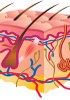
Human frozen dermal tissue sections are indispensable tools in skin biology and dermatological research, offering preserved samples that maintain the native architecture and molecular integrity of the dermis. These cryopreserved tissue sections provide a robust platform for studying skin physiology, pathology, and therapeutic responses in a format that closely mimics in vivo conditions.
Key Advantages and Applications of Frozen Dermal Tissue Sections
- Preservation of Tissue Integrity: Slow freezing techniques, often combined with cryoprotectants like glycerol or DMSO, enable long-term storage of dermal tissues while maintaining cellular morphology, extracellular matrix components, and molecular profiles such as RNA integrity and protein antigenicity.
- Versatile Research Utility:
- Immunohistochemistry (IHC) and immunofluorescence (IF) to visualize protein localization and expression.
- RNA and DNA extraction for transcriptomic and genomic analyses, including single-cell RNA sequencing (scRNAseq).
- Ex vivo cultures and functional assays to study dermal cell behavior, signaling, and pharmacological responses.
- Drug efficacy and toxicity testing in dermatology, oncology, and regenerative medicine.
- Barrier and Permeability Studies: Frozen skin sections preserve the physical barrier and permeability characteristics vital for percutaneous absorption and pharmacokinetics research.