

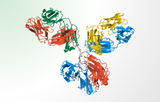
Antibodies are powerful biomolecules that play a crucial role in advancing cell and gene therapy, two of the most promising fields in modern medicine. Their unique ability to specifically recognize target molecules makes them invaluable for both therapeutic applications and improving the precision of gene delivery systems.
Role of Antibodies in Gene and Cell Therapy
In gene therapy, antibodies can be engineered to guide gene delivery vectors directly to the intended cells or tissues, enhancing treatment specificity and reducing side effects. This targeted delivery helps ensure that therapeutic genes reach the right location in the body, optimizing treatment outcomes.
Antibody Gene Therapy: A New Frontier
Beyond directing gene delivery, antibodies themselves can be the product of gene therapies. This approach, known as antibody gene therapy, involves introducing genes that encode therapeutic antibodies into a patient's cells. These cells then produce antibodies continuously, providing long-lasting protection or treatment against diseases such as cancer, infectious diseases, and autoimmune disorders.
Intracellular Antibodies: Expanding Therapeutic Options
Antibodies can also function inside cells as "intrabodies," binding to intracellular targets to block harmful proteins or pathways. This innovative method offers new strategies to treat diseases by intervening at the molecular level inside cells.
Antibodies are key players in enhancing the safety, specificity, and efficacy of cell and gene therapies. Their diverse roles from delivery targeting to therapeutic agents underscore their importance in the future of precision medicine.
