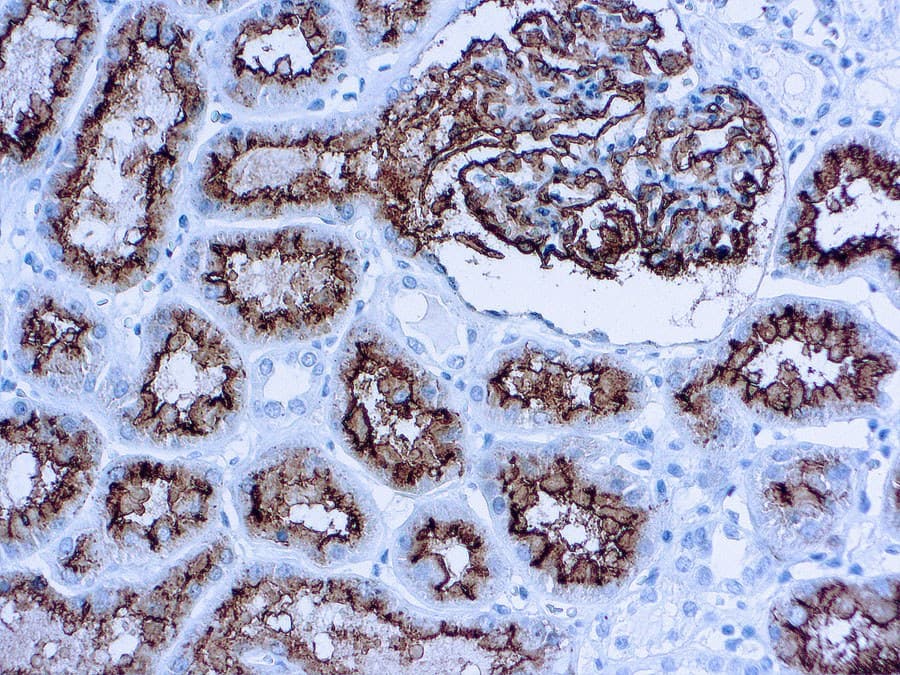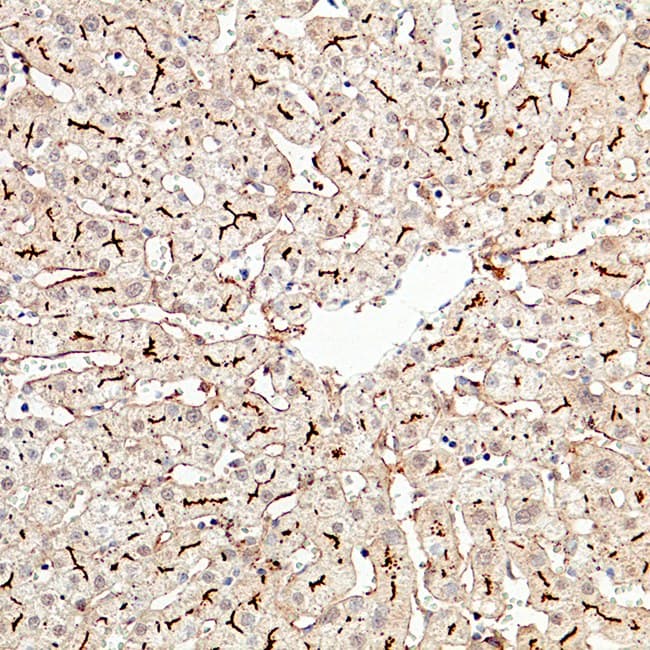

Cluster of differentiation 10 (CD10), also known as common acute lymphoblastic leukemia antigen (CALLA), is a cell‑surface neutral metalloendopeptidase (neprilysin) with enzymatic activity that modulates peptide signaling. Biochemically, CD10 cleaves and inactivates a variety of small peptides, which influences cellular microenvironments and signal transduction pathways. Physiologically, CD10 is expressed on early lymphoid progenitors and germinal center B‑cells, reflecting its role in lymphoid development and differentiation. CD10 is also present in select non‑hematopoietic tissues (e.g., kidney epithelium) due to its broader enzymatic functions.
Biological Significance of CD10
- Developmental marker: CD10 identifies early B‑cell lineage stages and germinal center B‑cells, reflecting key differentiation checkpoints in lymphopoiesis.
- Functional role: As a metalloendopeptidase, CD10 regulates extracellular peptide levels, which affects intercellular communication and may influence neoplastic behavior.
Diagnostic Utility in Hematopathology
- Lymphoid neoplasm classification: CD10 is widely used in immunohistochemistry (IHC) panels to distinguish B‑cell lineage malignancies — especially follicular lymphoma, B‑acute lymphoblastic leukemia (B‑ALL), Burkitt lymphoma, and subsets of diffuse large B‑cell lymphoma — due to its variable expression across these entities.
- Prognostic and differential insights: In follicular lymphomas, CD10 positivity supports a germinal center phenotype; in DLBCL, its presence assists in subclassification and may correlate with clinical outcomes.
- Complementary marker: While highly specific for germinal center and early B‑cell expression, CD10 IHC performance must be integrated within broader panels and morphological context due to variable sensitivity relative to flow cytometry.
Key Features of CD10 CE/IVD Antibodies for IHC
- CE/IVD‑validated reagents: Anti‑CD10 antibodies designed for IVD use are qualified for immunohistochemical detection of CD10 in formalin‑fixed, paraffin‑embedded (FFPE) human tissues and intended for clinical interpretation by qualified pathologists.
- Monoclonal specificity: Rabbit or mouse monoclonal antibodies (e.g., SP67, 56C6 clones) exhibit high specificity for the CD10 antigen, minimizing cross‑reactivity and producing membranous and/or cytoplasmic staining in positive cells.
- Optimized IHC performance: These antibodies are compatible with automated platforms and manual staining, requiring appropriate antigen retrieval and controls for accurate detection in hematopathology panels.
- Diagnostic panels: CD10 IHC is routinely incorporated into lymphoma and leukemia IHC panels alongside markers such as BCL‑6, CD20, and CD3 to refine lineage and differentiation status.