

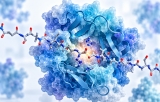
Animal-free proteases are proteolytic enzymes that are both discovered and produced without the use of animal-derived materials at any stage of the manufacturing process. Proteases constitute a large and diverse class of hydrolytic enzymes that catalyze the cleavage of peptide bonds in proteins and peptides. Traditional protease production has relied on extraction from animal tissues—porcine pancreas for trypsin, bovine pancreas for chymotrypsin and DNase, and calf stomach for rennin—introducing risks of viral and prion contamination, batch-to-batch variability, and ethical concerns. Animal-free proteases, produced predominantly through recombinant microbial expression, plant-based platforms, or chemical synthesis, eliminate these risks while providing sequence-defined reagents with superior reproducibility and regulatory compliance.
Rationale for Animal-Free Production
The shift toward animal-free protease production is driven by several critical factors. Conventional cell dissociation agents such as animal-derived trypsin pose significant risks including viral contamination and allergenicity, which hinder their use in regulated biopharmaceutical and food production processes. Animal-derived components introduce undefined and variable mixtures of proteins that compromise experimental reproducibility. Recombinant (animal-free) proteases are exempt from TSE/BSE requirements but must demonstrate the absence of animal-derived components in the production process. The transition from animal-derived to recombinant proteases is considered a significant modification in manufacturing processes, requiring regulatory notification or approval. Animal-free proteases eliminate many quality and regulatory concerns, minimizing the risk of potential BSE/TSE and mammalian viral contaminants.
