
Metabolic pathways
Metabolic pathways are biochemical processes that sustain life by controlling the breakdown and synthesis of molecules within cells. They are divided into catabolism and anabolism, which work together to maintain energy balance and cellular function.
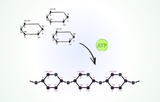
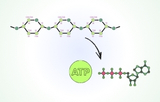
Catabolism breaks down complex molecules (like glucose, fatty acids, and proteins) into simpler ones, releasing energy mainly in the form of ATP, NADH, and FADH₂. Key catabolic pathways include glycolysis, the citric acid cycle, and β-oxidation.
Anabolism, on the other hand, uses this energy to build complex molecules such as proteins, nucleic acids, lipids, and carbohydrates, supporting cell growth, repair, and energy storage.
Both processes are tightly regulated to prevent energy waste. Hormones like insulin promote anabolism, while glucagon, cortisol, and adrenaline stimulate catabolism. Energy sensors such as AMPK adjust these pathways based on ATP levels.
|
|
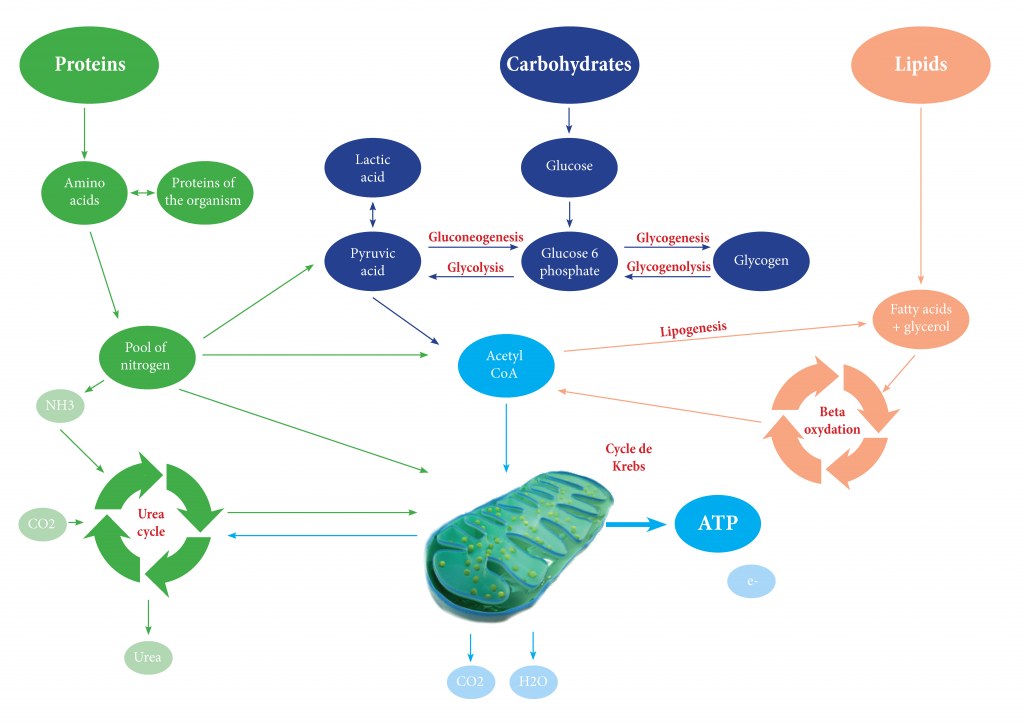
The interplay between catabolism and anabolism enables cells to adapt to energy demands and environmental changes, driving physiological functions like muscle growth and tissue repair.
In summary, the coordination of catabolic and anabolic pathways is essential for maintaining homeostasis, health, and understanding metabolic diseases and therapies.