

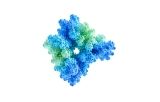
Tumor necrosis factor (TNF) is a multifunctional proinflammatory cytokine that belongs to the TNF superfamily of ligands. The prototypic member, TNF-alpha (also known as cachectin or TNFSF2), is a 26 kDa membrane-bound protein that is cleaved to release a soluble 17 kDa monomer, which forms homotrimers in circulation. It is produced primarily by activated macrophages, CD4+ lymphocytes, NK cells, neutrophils, eosinophils, and neurons, and is involved in the regulation of a wide spectrum of biological processes including cell proliferation, differentiation, apoptosis, lipid metabolism, and coagulation. The TNF superfamily also includes TNF-beta (lymphotoxin-alpha, TNFSF1), BAFF (TNFSF13B), TWEAK (TNFSF12), CD40 ligand (TNFSF5), and others, many of which are now available as animal-free recombinant proteins. Traditional production of TNF proteins often involves mammalian cell cultures supplemented with fetal bovine serum, introducing potential TSE/BSE prions, viral pathogens, and lot-to-lot variability. Animal-free recombinant TNF proteins address these concerns by employing dedicated animal-free manufacturing processes while maintaining potent pro-inflammatory, cytotoxic, and immunomodulatory activities.
Definition and Characteristics of Animal-Free Recombinant TNF Proteins
Animal-free recombinant TNF proteins are cytokines produced through manufacturing processes that exclude all animal- or human-derived components. This designation confirms that no animal-derived raw products, equipment, or protocols are used at any stage of expression, purification, or formulation. These proteins are typically recombinant human or mouse TNF proteins expressed in systems such as Escherichia coli, plant cells (Nicotiana), or human embryonic kidney 293 (HEK293) cells under chemically defined, animal origin-free conditions. Animal-free TNF proteins are characterized by high purity (typically >95–97% by SDS-PAGE), low endotoxin levels (frequently <0.1 EU/µg), and carrier-protein-free formulations. They retain full biological activity comparable to conventionally produced cytokines, as confirmed by functional assays such as cytolysis of actinomycin-D sensitized L929 cells.
