

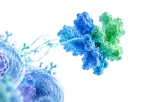
Interleukins (ILs) are a class of cytokines that function as signalling molecules of the immune system, mediating communication between leukocytes and regulating immune responses, inflammation, cell proliferation, and differentiation. More than 50 interleukins have been identified, and several—including IL-2, IL-6, IL-7, IL-15, and IL-21—are used extensively in cell culture, immunotherapy research, and biopharmaceutical manufacturing. Historically, recombinant interleukins were produced using animal-derived components such as serum or hydrolysates during host cell culture, which posed risks of contamination and batch-to-batch variability. The emergence of animal-free manufacturing processes has addressed these challenges, providing interleukins that are entirely free of animal-derived materials while maintaining full biological potency and supporting advanced applications in cell therapy, immunotherapy, and regenerative medicine.
Characteristics of Animal-Free Recombinant Interleukins
Animal-free recombinant interleukins are cytokines produced through completely animal-component-free manufacturing processes. This designation confirms that no animal- or human-derived materials are used at any stage of expression, purification, or formulation. These proteins are typically recombinant human cytokines expressed in systems such as Escherichia coli, plant cells, or human cell lines under chemically defined, animal origin-free conditions. Animal-free interleukins are characterized by high purity (typically >95–98% by SDS-PAGE), low endotoxin levels (frequently <0.1 EU/µg), and carrier-protein-free formulations. They retain full biological activity comparable to conventionally produced cytokines, as confirmed by functional assays such as proliferation assays using cytokine-dependent cell lines.