


Label-based multiplex assay on glass slides for simultaneous detection of 507 human proteins. Ideal for exploratory biomarker screening in serum, plasma, or cell culture supernatants.
Best SellerHigh Density
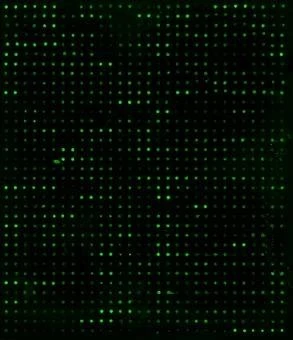
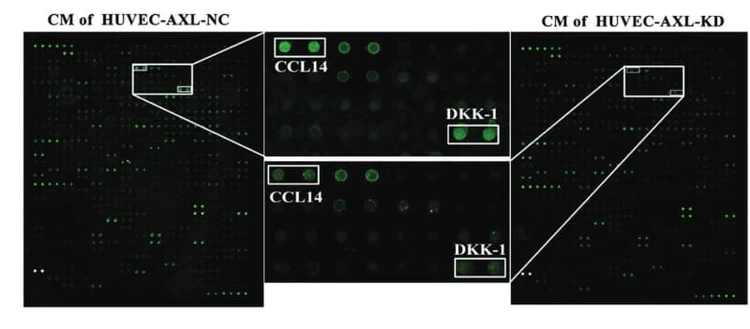
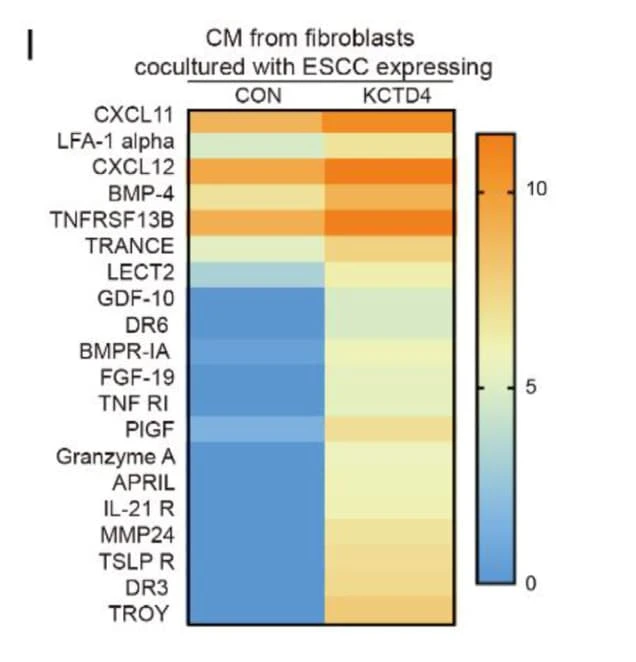
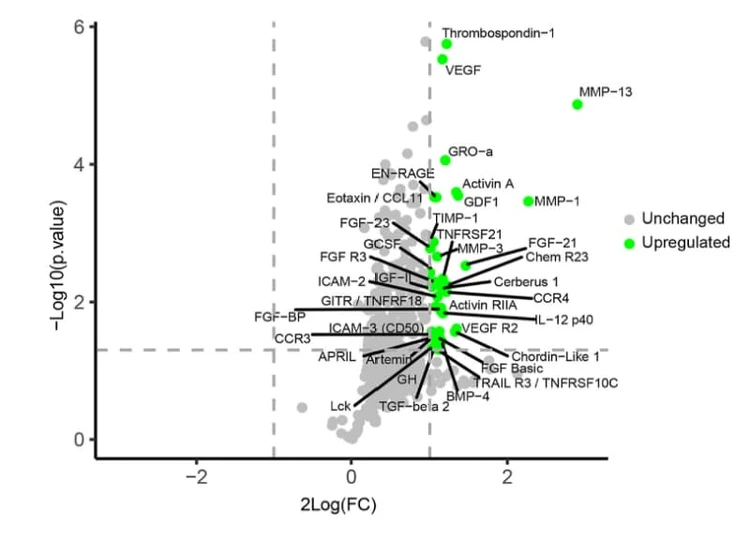
Human Proteome Profiling Array L507 (Glass Slide)
Human Proteome Profiling Array L507 (Glass Slide)
Contact Us for Bulk Request
Product Description
Specifications
| Size | 4 Sample Kit, 8 Sample Kit |
| Species | Human |
| Compatible Sample Types | Cell Culture Supernatants, Plasma, Serum, Tissue Lysates, Cell Lysates |
| Quantitative/Semi-Quantitative | Semi-Quantitative |
| Number of Targets Detected | 507 |
| Recommended Applications | Multiplexed Protein Detection; Detection of Relative Protein Expression; Detecting Patterns of Cytokine Expression; Biomarker Screening; Identifying Key Factors; Confirming a Biological Process; Cross-species testing |
| Solid Support | Glass Slide |
| Design Principle | Label-based |
| Method Of Detection | Fluorescence Laser Scanner |
| Shipping Type | Blue ice |
| Storage | -20°C |
Related Products
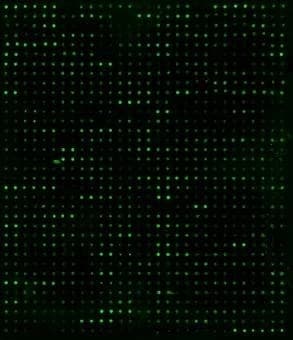
Human Proteome Profiling Array L1000 (Glass Slide)
As low as $1,216.00
Human Cytokine Array Q640
Human Cytokine Array Q440
Product Features
- High density arrays
- Unbiased detection through direct biotin labeling of samples
- Low sample consumption
- High detection sensitivity
- Same day result
- Affordable and simple to use
Target Names
507 human target proteins. Scroll to see the full list.
6Ckine, Activin A, Activin B, Activin C, Activin RIA (ALK-2), Activin RIB (ALK-4), EYA2, Activin RIIA, Adiponectin (Acrp30), AgRP, ALCAM, Angiogenin, Angiopoietin-1, Angiopoietin-2, Angiopoietin-4, Angiopoietin-like 1, Angiopoietin-like 2, Angiopoietin-like Factor, Angiostatin, APJ, APRIL, AR (Amphiregulin), Artemin, Axl, B7-1 (CD80), BAFF R (TNFRSF13C), BCMA (TNFRSF17), BD-1, BDNF, beta-Catenin, BAX, beta-NGF, BIK, BLC (BCA-1/CXCL13), BMP-2, BMP-3, BMP-3b (GDF-10), BMP-4, BMP-5, BMP-6, BMP-7, BMP-8, BMP-15, BMPR-IA (ALK-3), BMPR-IB (ALK-6), BMPR-II, BTC, Cardiotrophin-1 (CT-1), CCL14 (HCC-1/HCC-3), CCL28 (VIC), CCR1, CCR2, CCR3, CCR4, CCR5, CCR6, CCR7, CCR8, CCR9, CD14, CD27 (TNFRSF7), CD30 (TNFRSF8), CD30 Ligand (TNFSF8), CD40 (TNFRSF5), CD40 Ligand (TNFSF5/CD154), CD 163, Cerberus 1, Chem R23, Chordin-Like 1, Chordin-Like 2, CLC, CNTF, CNTF R alpha, Coagulation Factor III (Tissue Factor), CRIM 1, Cripto-1, CRTH-2, Cryptic, Csk, CTACK (CCL27), CTGF (CCN2), CTLA-4 (CD152), CV-2 (Crossveinless-2), CXCL14 (BRAK), CXCL16, CXCR1 (IL-8 RA), CXCR2 (IL-8 RB), CXCR3, CXCR4 (fusin), CXCR5 (BLR-1), CXCR6, D6, DAN, DANCE, DcR3 (TNFRSF6B), Decorin, Dkk-1, Dkk-3, Dkk-4, DR3 (TNFRSF25), DR6 (TNFRSF21), Dtk, EDA-A2, EDAR, EDG-1, EGF, EGF R (ErbB1), EG-VEGF (PK1), EMAP-II, ENA-78, Endocan, Endoglin (CD105), Endostatin, Endothelin, EN-RAGE, Eotaxin (CCL11), Eotaxin-2 (MPIF-2), Eotaxin-3 (CCL26), Epiregulin, ErbB2, ErbB3, ErbB4, Erythropoietin, E-Selectin, FADD, FAM3B, Fas (TNFRSF6), Fas Ligand, FGF Basic, FGF-BP, FGF R3, FGF R4, FGF R5, FGF-4, FGF-5, FGF-6, FGF-7 (KGF), FGF-8, FGF-9, FGF-10 (KGF-2), FGF-11, FGF-12, FGF-13 1B, FGF-16, FGF-17, FGF-18, FGF-19, FGF-20, FGF-21, FGF-23, FLRG, Flt-3 Ligand, Follistatin, Follistatin-like 1, Fractalkine, Frizzled-1, Frizzled-3, Frizzled-4, Frizzled-5, Frizzled-6, Frizzled-7, Galectin-3, GASP-1 (WFIKKNRP), GASP-2 (WFIKKN), GCP-2 (CXCL6), GCSF, G-CSF R (CD 114), GDF1, GDF3, GDF5, GDF8, GDF9, GDF11, GDF-15, GDNF, GFR alpha-1, GFR alpha-2, GFR alpha-3, GFR alpha-4, GITR (TNFRF18), GITR Ligand (TNFSF18), Carbonyl reductase (CBR1), Glut1, Glut2, Glut3, Glut5, Glypican 3, Glypican 5, GM-CSF, GM-CSF R alpha, Granzyme A, GREMLIN, GRO, GRO-a, Growth Hormone (GH), Growth Hormone R (GHR), HB-EGF, HCC-4 (CCL16), HCR (CRAM-A/B), Hepassocin, GLO-1, HGF, HGFR, HRG-alpha, HRG-beta 1, HVEM (TNFRSF14), I-309, ICAM-1, ICAM-2, ICAM-3 (CD50), ICAM-5, IFN-alpha/beta R1, IFN-alpha/beta R2, IFN-beta, IFN-gamma, IFN-gamma R1, IGFBP-1, IGFBP-2, IGFBP-3, IGFBP-4, IGFBP-6, IGFBP-rp1 (IGFBP-7), IGF-I, IGF-I R, IGF-II, IGF-II R, IL-1 alpha, IL-1 beta, IL-1 F5 (FIL1delta), IL-1 F6 (FIL1 epsilon), IL-1 F7 (FIL1 zeta), IL-1 F8 (FIL1 eta), IL-1 F9 (IL-1 H1), IL-1 F10 (IL-1HY2), IL-1 R3 (IL-1 R AcP), IL-1 R4 (ST2), IL-1 R6 (IL-1 Rrp2), IL-1 R8, IL-1 R9, IL-1 ra, IL-1 sRI, IL-1 sRII, IL-2, IL-2 R alpha, IL-2 R beta (CD122), IL-2 R gamma, IL-3, IL-3 R alpha, IL-4, IL-4 R, IL-5, IL-5 R alpha, IL-6, IL-6 R, IL-7, IL-7 R alpha, IL-8, IL-9, IL-10, IL-10 R alpha, IL-10 R beta, IL-11, IL-12 p40, IL-12 p70, IL-12 R beta 1, IL-12 R beta 2, IL-13, IL-13 R alpha 1, IL-13 R alpha 2, IL-15, IL-15 R alpha, IL-16, IL-17, IL-17B, IL-17B R, IL-17C, IL-17D, IL-17E, IL-17F, IL-17R, IL-17RC, IL-17RD, IL-18 BPa, IL-18 R alpha (IL-1 R5), IL-18 R beta (AcPL), IL-19, IL-20, IL-20 R alpha, IL-20 R beta, IL-21, IL-21 R, IL-22, IL-22 BP, IL-22 R, IL-23, IL-23 R, IL-24, IL-26, IL-27, IL-28A, IL-29, IL-31, IL-31 RA, BACE-1, FACX, Insulin, Insulin R, Insulysin (IDE), IP-10, I-TAC (CXCL11), Kininostatin (kininogen), Kremen-1, Kremen-2, Latent TGF-beta bp1, LBP, Lck, LECT2, Lefty - A, Leptin (OB), Leptin R, LFA-1 alpha, LIF, LIF R alpha, LIGHT (TNFSF14), Lipocalin-1, Lipocalin-2, LRP-1, LRP-6, L-Selectin (CD62L), Lymphotactin (XCL1), Lymphotoxin beta (TNFSF3), Lymphotoxin beta R (TNFRSF3), MAC-1, MCP-1, MCP-2, MCP-3, MCP-4 (CCL13), M-CSF, M-CSF R, MDC, MFG-E8, MFRP, MICA, MIF, MIG, MIP-1a, MIP-1b, MIP-1d, MIP 2, MIP-3 alpha, MIP-3 beta, MMP-1, MMP-2, MMP-3, MMP-7, MMP-8, MMP-9, MMP-10, MMP-11 (Stromelysin-3), MMP-12, MMP-13, MMP-14, MMP-15, MMP-16 (MT3-MMP), MMP-19, MMP-20, MMP-24 (MT5-MMP), MMP-25 (MT6-MMP), MSP alpha Chain, Musk, NAP-2, NCAM-1 (CD56), Neuritin, NeuroD1, Neuropilin-2, Neurturin, NGF R, Nidogen-1, NOV (CCN3), NrCAM, NRG1 Isoform GGF2, NRG2, NRG3, NT-3, NT-4, Orexin A, Orexin B, OSM, Osteoactivin (GPNMB), Osteocrin, Osteoprotegerin (TNFRSF11B), OX40 Ligand (TNFSF4), PARC (CCL18), PD-ECGF, PDGF R alpha, PDGF R beta, PDGF-AA, PDGF-AB, PDGF-BB, PDGF-C, PDGF-D, PECAM-1 (CD31), Pentraxin3 (TSG-14), Persephin, PF4 (CXCL4), PlGF, PLUNC, Pref-1, Progranulin, Prolactin, P-selectin, RAGE, RANK (TNFRSF11A), RANTES, RELM beta, RELT (TNFRSF19L), ROBO4, S100 A8/A9, S100A10, SAA, SCF, SCF R (CD117), SDF-1 (CXCL12), sFRP-1, sFRP-3, sFRP-4, sgp130, SIGIRR, Siglec-5 (CD170), Siglec-9, SLPI, Smad 1, Smad 4, Smad 5, Smad 7, Smad 8, Prdx6, Soggy-1, Sonic Hedgehog (Shh N-terminal), SPARC, Spinesin, TACI (TNFRSF13B), Tarc, TCCR (WSX-1), TECK (CCL25), TFPI, TGF-alpha, TGF-beta 1, TGF-beta 2, TGF-beta 3, ATP2B1, TGF-beta RI (ALK-5), TGF-beta RII, Grb2, TGF-beta RIII, Thrombopoietin (THPO), Thyroid Peroxidase (TPO), Thrombospondin-1, Thrombospondin-2, Thrombospondin-4, Thymopoietin, Tie-1, Tie-2, TIMP-1, TIMP-2, TIMP-3, TIMP-4, Defensin-5 (DEFA5), TLR1, TLR2, TLR3, TLR4, TMEFF1 (Tomoregulin-1), TMEFF2, TNF-alpha, TNF-beta, TNF RI (TNFRSF1A), TNF RII (TNFRSF1B), TRADD, TRAIL (TNFSF10), TRAIL R1 (DR4/TNFRSF10A), TRAIL R2 (DR5/TNFRSF10B), TRAIL R3 (TNFRSF10C), TRAIL R4 (TNFRSF10D), TRANCE, TREM-1, TROY (TNFRSF19), TSG-6, TSLP R, TWEAK (TNFSF12), TWEAK R (TNFRSF12), Ubiquitin+1, uPA, uPAR, Vasorin, VCAM-1 (CD106), VE-Cadherin, VEGF, VEGF R2 (KDR), VEGF R3, VEGF-B, VEGF-C, VEGF-D, VEGI (TNFSF15), WIF-1, WISP-1 (CCN4), XEDAR
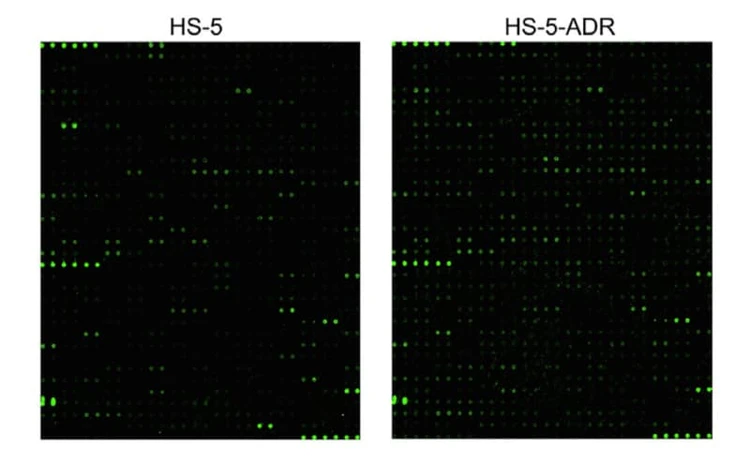
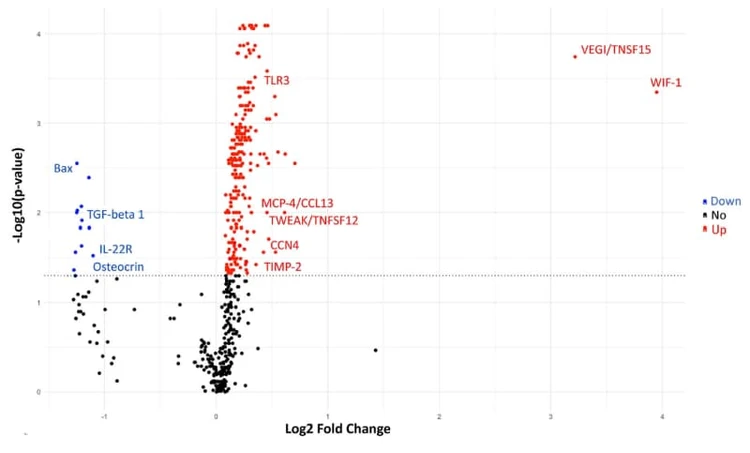
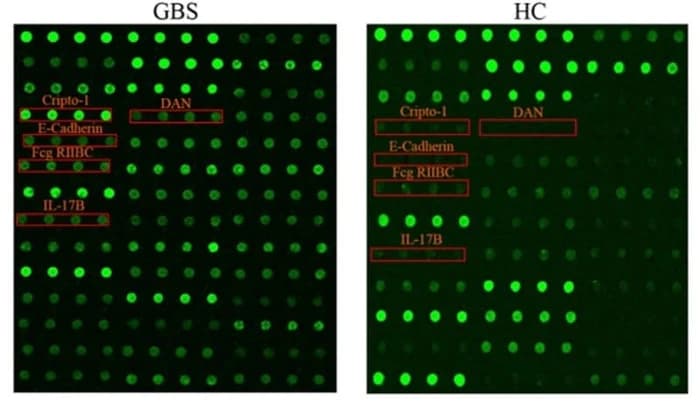
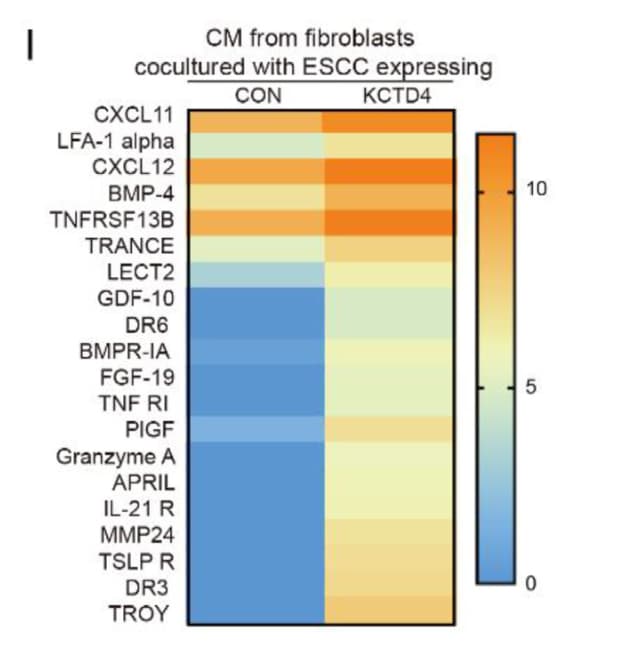
Typical Data
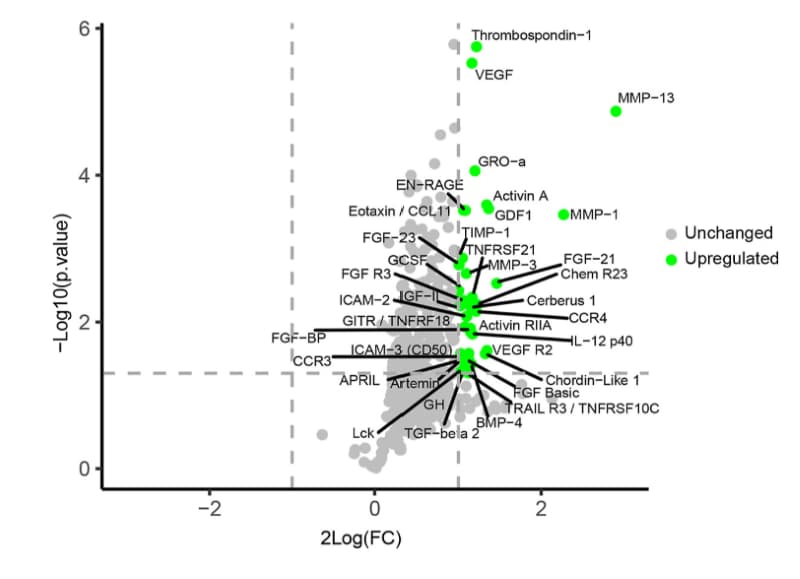
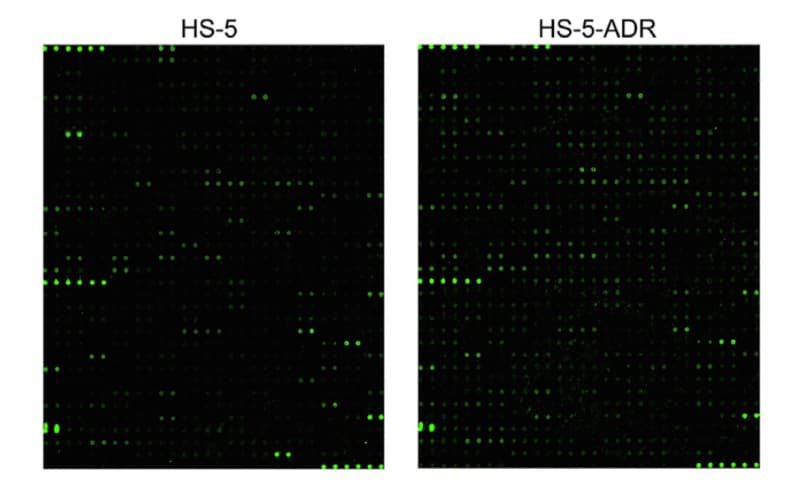
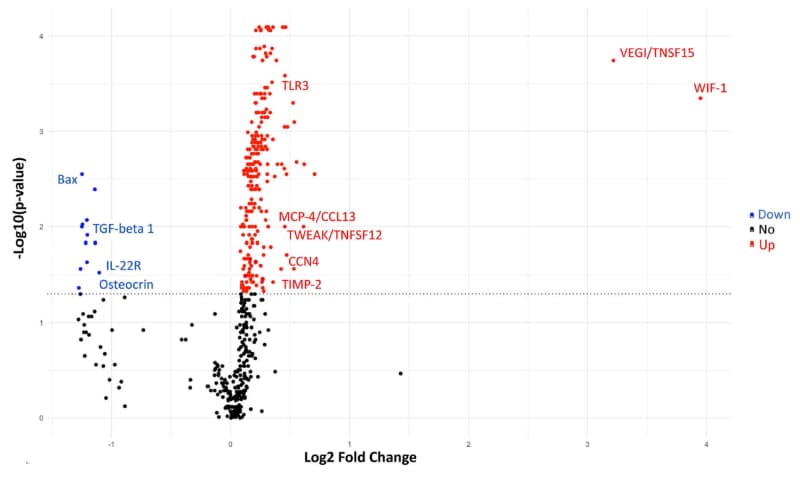
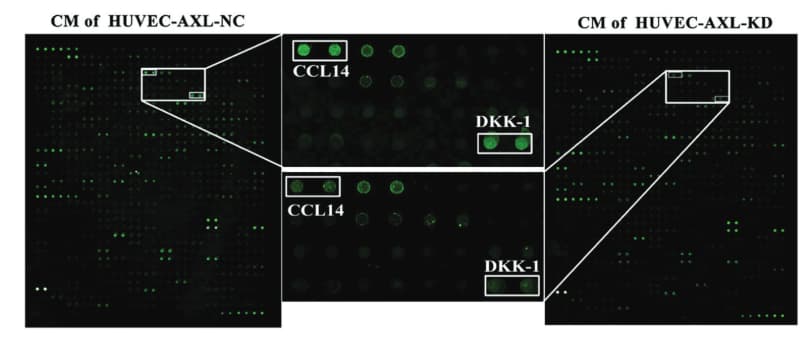
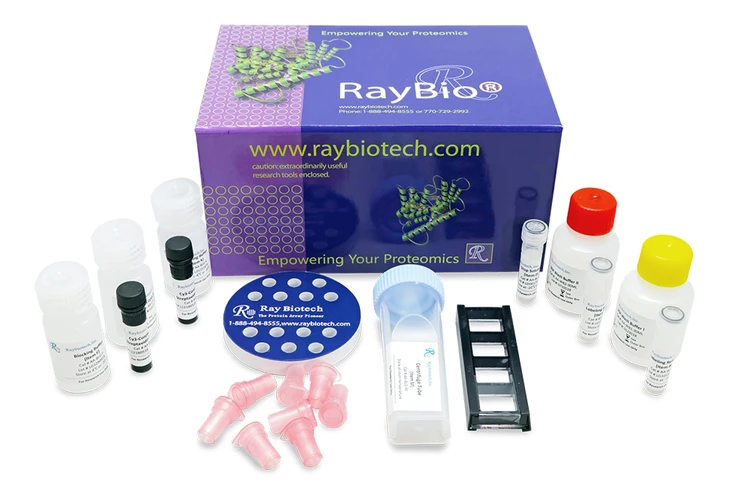
Kit Components
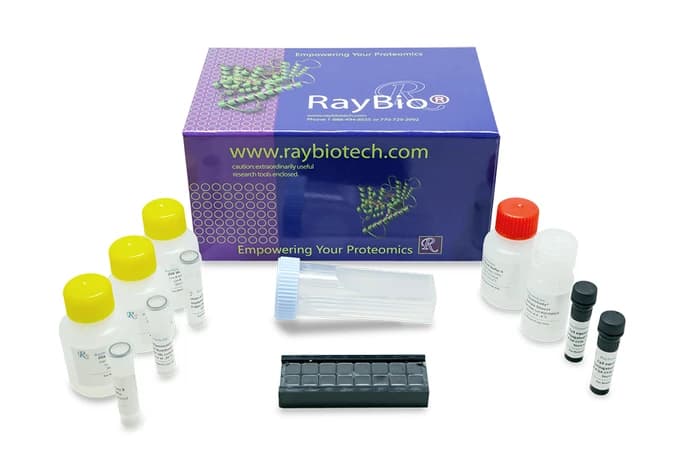
- RayBio® L-Series Antibody Array Glass Slide(s)
- Spin Columns
- Labeling Reagent
- Stop Solution
- Blocking Buffer
- Wash Buffer 1
- Wash Buffer 2
- Streptavidin-Conjugated Fluor
- Adhesive Plastic Strips
- Labeling Buffer
- Lysis Buffer
- 30 ml Centrifuge Tube
Additional Materials Required
- Distilled or de-ionized water
- Small plastic or glass containers
- Orbital shaker or oscillating rocker
- 1 ml tube
- Pipettors, pipette tips and other common lab consumables
- Aluminum foil
- Gene microarray scanner or similar laser fluorescence scanner
View Compatible Laser Scanners
Don't have a compatible scanner? RayBiotech now offers FREE scanning service for all RayBio glass slide antibody arrays! Learn More
Assay Procedure Summary
- Purify Samples with Spin Column
- Biotinylate Samples
- Purify biotinylated samples using spin column
- Dry the glass slide
- Block array surface
- Incubate with Samples
- Incubate with Streptavidin-Conjugated Fluor
- Disassemble the glass slide
- Scan with a gene microarray laser scanner
- Perform densitometry and analysis
Storage/Stability
For best results, store the entire kit frozen at -20°C upon arrival. Stored frozen, the kit will be stable for at least 6 months which is the duration of the product warranty period. Once thawed, store array slide(s) at -20°C and all other reagents undiluted at 4°C for no more than 3 months.
documents
GAL (GAL-AAH-BLG-1.gal)
Excel (AAH-BLG-1_Analysis_Tool.xlsx)
citations
In vitro multi-organ invasion model for exploring cardiac resistance to cancer metastasis
- Species:
- Human
- Sample Type:
- Cell Culture Supernatant (multi-organ invasion model; cancer monoculture)
- Year:
- 2026
- Journal Name:
- Nature Communications
- PubMed ID:
- 42637759
A Novel Bone Shield to Improve Skeletal Health during Space Exploration and for Disuse Conditions on Earth
- Year:
- 2026
- Journal Name:
- Advanced Healthcare Materials
- PubMed ID:
- 41518258
A dermis-on-a-chip model for compound screening
- Species:
- Human
- Sample Type:
- Cell Culture Supernatant (culture media of dermis tissues); Tissue Lysate / Homogenate
- Year:
- 2025
- Journal Name:
- Materials Today Bio
- PubMed ID:
- 40740248
Human uterine natural killer cells regulate differentiation of extravillous trophoblast early in pregnancy
- Year:
- 2024
- Journal Name:
- Cell Stem Cell
- PubMed ID:
- 38237587
Primitive macrophages enable long-term vascularization of human heart-on-a-chip platforms
- Year:
- 2024
- Journal Name:
- Cell Stem Cell
- PubMed ID:
- 38908380
Differential effect of cancer-associated fibroblast-derived extracellular vesicles on cisplatin resistance in oral squamous cell carcinoma via miR-876-3p
- Species:
- Human
- Sample Type:
- Other / Unspecified (CM after co-culture with 3D-spheroids of FaDu cells)
- Year:
- 2024
- Journal Name:
- Theranostics
- PubMed ID:
- 38169528
Spatial and single-cell multi-omics reveal pro-angiogenic THY1⁺ fibroblast subtypes predicting prognosis in prostate cancer
- Species:
- Human
- Sample Type:
- Cell Culture Supernatant (primary CAFs THY1+/THY1-)
- Year:
- 2026
- Journal Name:
- Translational Oncology
- PubMed ID:
- 41529384
A Dermis on a Chip Model for Anti-Fibrotic Compound Screening
- Species:
- Human
- Sample Type:
- Cell Culture Supernatant (culture media from dermis-on-a-chip microtissues); Tissue Lysate / Homogenate
- Year:
- 2026
- Journal Name:
- TSpace (University of Toronto)
An Investigation to Study Morphology, Nanomechanical Attributes, Transcriptomics, and Proteomics of Tumor Associated Macrophages Derived Extracellular Vesicles in the Tumor Microenvironment
- Species:
- Human
- Sample Type:
- Cell Lysate (TAME, non-TAME cell lysates M0 vs M2 macrophages); Tissue Lysate / Homogenate
- Year:
- 2026
- Journal Name:
- Journal of analytical oncology
- PubMed ID:
- 42719843
Proteomic Analyses of Early Versus Advanced Primary Open-Angle Glaucoma Uncover Biochemical Signatures Associated With Disease Staging
- Species:
- Human
- Sample Type:
- Other Body Fluid (aqueous humor AH)
- Year:
- 2026
- Journal Name:
- Molecular & Cellular Proteomics
- PubMed ID:
- 42468813
