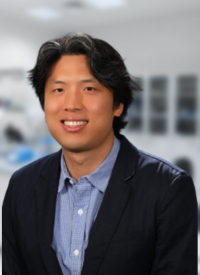

Daniel D. Lee, PhD, is an Instructor (faculty track) at Washington University School of Medicine with a PhD in Cellular & Integrative Physiology. Grounded in physiology and informed by biochemistry, chemistry, and computational biology, he develops practical imaging tools to study cross-tissue communication to maintain homeostasis. Motivated by mapping gut-to-organ communication via lymphatics, he helped develop ADAPT-3D—translating buffer design and refractive-index tuning into a fast, low–hands-on workflow for robust volumetric analysis.
Webinar: Preserve What Matters: Morphology & Signal Integrity in 3D Imaging
Watch our webinar
Organised on
Tuesday, September 16, 2025 | 3pm CET
Most biological readouts depend on spatial relationships that sectioning can disrupt. By preserving tissue morphometry, 3D imaging reduces sampling artifacts and allows relationships that sectioning can affect. ADAPT-3D is a streamlined, aqueous clearing kit that makes thick tissues and whole organs optically transparent fast, without shrinking, while preserving endogenous reporters and antibody signal. Its four steps (Fix, DC, PDL, RI) along with immunolabeling deliver high-RI matching for deep imaging and strong signal-to-noise ratios, enabling workflows on practical timelines across different tissues across species including human biopsies. We’ll cover how to select conditions, minimize pigment and scatter, protect epitopes, and keep morphology intact. A short segment will show how cleared volumes can pair with different choices of light microscopy for both research and clinical contexts.
Key topics to be covered:
Architecture of the ADAPT-3D kit (i.e., Fix/DC/PDL/RI), when to use each step, and expected timelines for different tissues.
Preserving both morphology and fluorescence with ADAPT-3D
Pairing ADAPT-3D with biological context to help decide choice for microscopy
Featured Speaker