

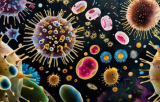
Primary cells play a crucial role in studying infectious diseases and immunological responses, providing physiologically relevant models for understanding host-pathogen interactions, immune system function, and disease progression. These cells are essential for developing antiviral, antibacterial, and immunomodulatory therapies, as they retain the native characteristics of the immune system and infected tissues.
Key Features of Infectious Disease & Immunology Primary Cells
-
Natural Immune Function: Maintain the functional properties of the immune system, making them ideal for studying infections and immune disorders.
-
Diverse Cell Types: Include macrophages, T cells, B cells, dendritic cells, and epithelial cells, all of which play crucial roles in immunity.
-
Host-Pathogen Interaction Studies: Allow researchers to study how viruses, bacteria, and fungi infect and interact with human and animal immune cells.
-
Therapeutic Development: Used in drug discovery for vaccines, monoclonal antibodies, and immunotherapies for infectious and autoimmune diseases.
Applications in Infectious Disease & Immunology Research
-
Viral Infection Studies: Primary immune cells are critical for understanding how viruses like HIV, SARS-CoV-2, and influenza infect the body and evade immune responses.
-
Bacterial & Fungal Pathogenesis: Used to investigate host responses to pathogens such as Mycobacterium tuberculosis and Candida species.
-
Immunotherapy Development: Helps in designing and testing immune-modulating treatments, including CAR-T cell therapy and checkpoint inhibitors.
-
Vaccine Research: Supports the development of novel vaccines by testing immune responses in primary cells.
List of Primary Cells for Infectious Diseases & Immunology
-
Macrophages: Crucial for studying phagocytosis, inflammation, and chronic infections.
-
Dendritic Cells: Key for antigen presentation and immune activation studies.
-
T Cells (CD4+ and CD8+): Essential for adaptive immunity, autoimmune research, and immunotherapy.
-
B Cells: Involved in antibody production and vaccine development.
-
Natural Killer (NK) Cells: Important for studying immune surveillance and viral infections.
-
Monocytes: Used in research on inflammatory responses and chronic infections.
-
Neutrophils: Key for studying innate immunity and bacterial infections.
-
Epithelial Cells: Crucial for investigating how pathogens invade and infect mucosal tissues.
