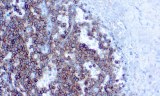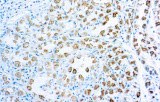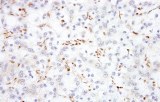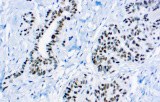


Primary antibodies for immunohistochemistry (IHC) are indispensable tools in pediatric pathology, enabling the sensitive and specific detection of diagnostic, prognostic, and lineage-associated biomarkers while preserving tissue architecture. In pediatric oncology and developmental pathology, IHC plays a pivotal role in the classification and differential diagnosis of embryonal tumors, small round blue cell tumors, renal neoplasms, sarcomas, and other childhood malignancies. Widely established markers—including WT1, ALK, Desmin, Myogenin, Synaptophysin, Chromogranin A, CD99, INI1 (SMARCB1), PHOX2B, and NKX2.2—support accurate tumor characterization and standardized pathological evaluation. Numerous peer-reviewed studies have demonstrated that immunophenotypic profiling can improve diagnostic accuracy when interpreted alongside histomorphological assessment and molecular findings. CE-IVD antibodies are manufactured and validated according to the manufacturer’s intended use and applicable European regulatory requirements, supporting reliable and reproducible biomarker detection in clinical diagnostic laboratories. Optimized for formalin-fixed, paraffin-embedded (FFPE) tissue specimens, these antibodies facilitate consistent staining performance in both routine and high-throughput pathology workflows.
Key Features of CE-IVD Primary Antibodies for Pediatric Pathology
- CE-IVD-compliant reagents developed and manufactured in accordance with applicable European In Vitro Diagnostic Regulation (IVDR) requirements.
- Designed to provide high analytical performance for clinically relevant pediatric pathology biomarkers.
- Validated for immunohistochemical staining of FFPE tissue sections, the standard specimen type used in diagnostic pathology.
- Compatible with automated and manual IHC staining platforms, supporting workflow standardization and reproducibility.
- Supported by comprehensive Instructions for Use (IFUs), performance data, quality controls, and validated staining protocols.
- Suitable for the diagnostic evaluation and characterization of pediatric tumors, including Wilms tumor, neuroblastoma, rhabdomyosarcoma, Ewing sarcoma, hepatoblastoma, and other childhood neoplasms.
- Enables integration of immunophenotypic findings with morphological and molecular data to support informed diagnostic decision-making.