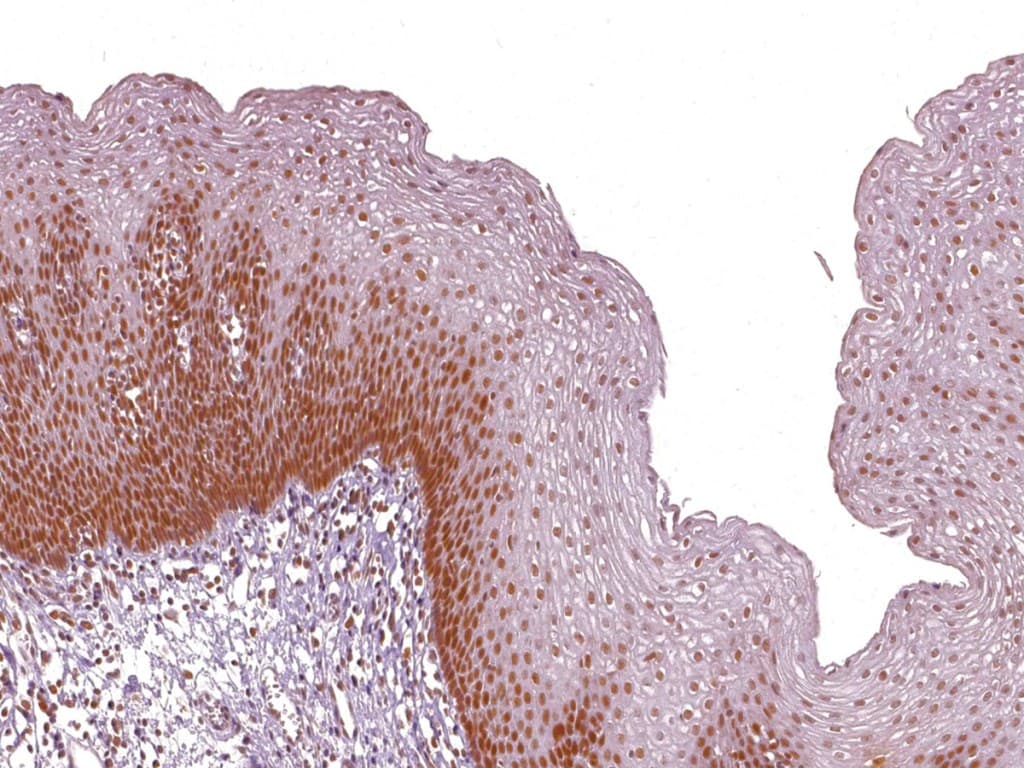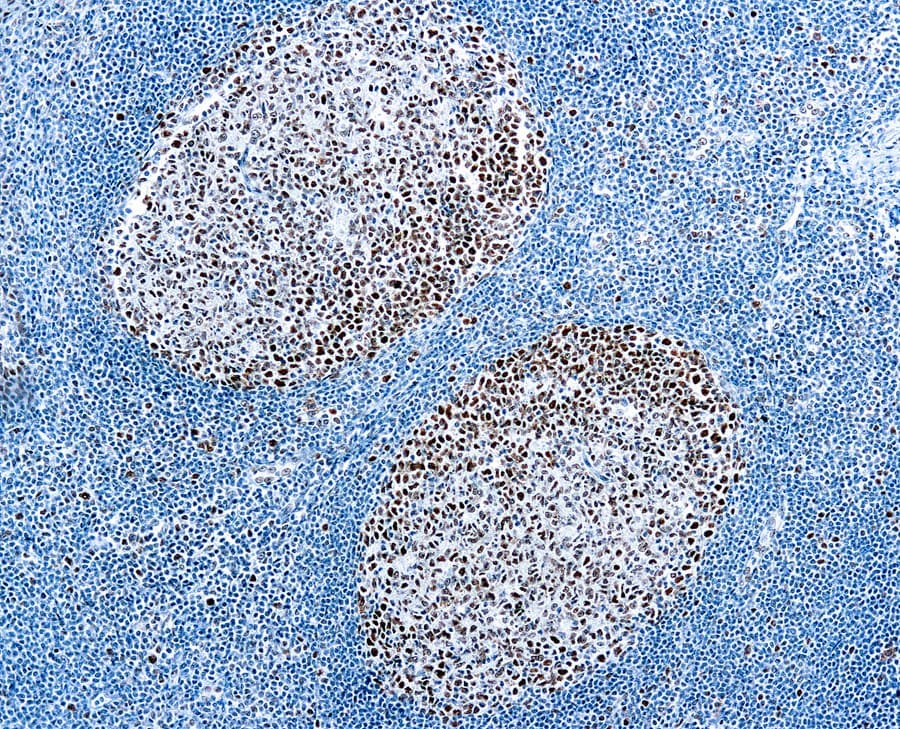


MSH2 is a key DNA mismatch repair (MMR) protein that maintains genomic integrity by detecting and initiating repair of replication errors. In eukaryotic cells, MSH2 forms heterodimers with MSH6 (MutSα) to recognize base–base mismatches and short insertion–deletion loops, and with MSH3 (MutSβ) to detect larger insertion–deletions. These complexes recruit downstream repair factors, such as MLH1-PMS2, to excise and correct errors, limiting mutation accumulation and suppressing genomic instability, a hallmark of cancer. Defective MMR, including MSH2 loss, leads to microsatellite instability (MSI), characterized by widespread alterations in repetitive DNA sequences and elevated mutation rates in tumor cells.
Biological Significance
MSH2 functions as a tumor suppressor gene. Germline mutations are a major cause of Lynch syndrome (hereditary non‑polyposis colorectal cancer, HNPCC), an autosomal dominant syndrome predisposing carriers to colorectal, endometrial, gastric, and other extracolonic cancers. Pathogenic variants impair DNA repair, promoting persistent replication errors and genomic instability. In sporadic gastrointestinal cancers, MMR deficiency—often due to somatic mutation or epigenetic silencing—produces an MSI‑high phenotype that influences tumor biology, prognosis, and response to therapy.
Diagnostic Utility in Gastrointestinal Pathology
Immunohistochemistry (IHC) for MSH2 is an established method to assess MMR status. Loss of nuclear staining in tumor cells, with preserved expression in stromal and immune cells, indicates MSH2 inactivation. IHC complements molecular MSI testing and supports identification of Lynch syndrome, guiding germline testing and patient management. Universal screening panels evaluating MLH1, PMS2, MSH2, and MSH6 allow distinction between sporadic and hereditary tumors. In colorectal cancer, MSH2 IHC correlates strongly with MSI‑high status, offering a reliable and reproducible diagnostic tool.
Key Features of Anti‑MSH2 CE/IVD Antibodies for IHC
CE‑marked anti‑MSH2 antibodies are validated for in vitro diagnostic use in formalin‑fixed, paraffin‑embedded tissue sections. Key advantages include:
- Specific nuclear detection of MSH2, enabling clear differentiation between retention and loss in tumor cells.
- Compatibility with standard IHC protocols, facilitating comprehensive MMR profiling alongside MLH1, PMS2, and MSH6.
- Robust performance across gastrointestinal tumor types, including colorectal and gastric cancers, with implications for prognosis and therapy.
- Support for Lynch syndrome screening, informing genetic counseling and personalized surveillance strategies.