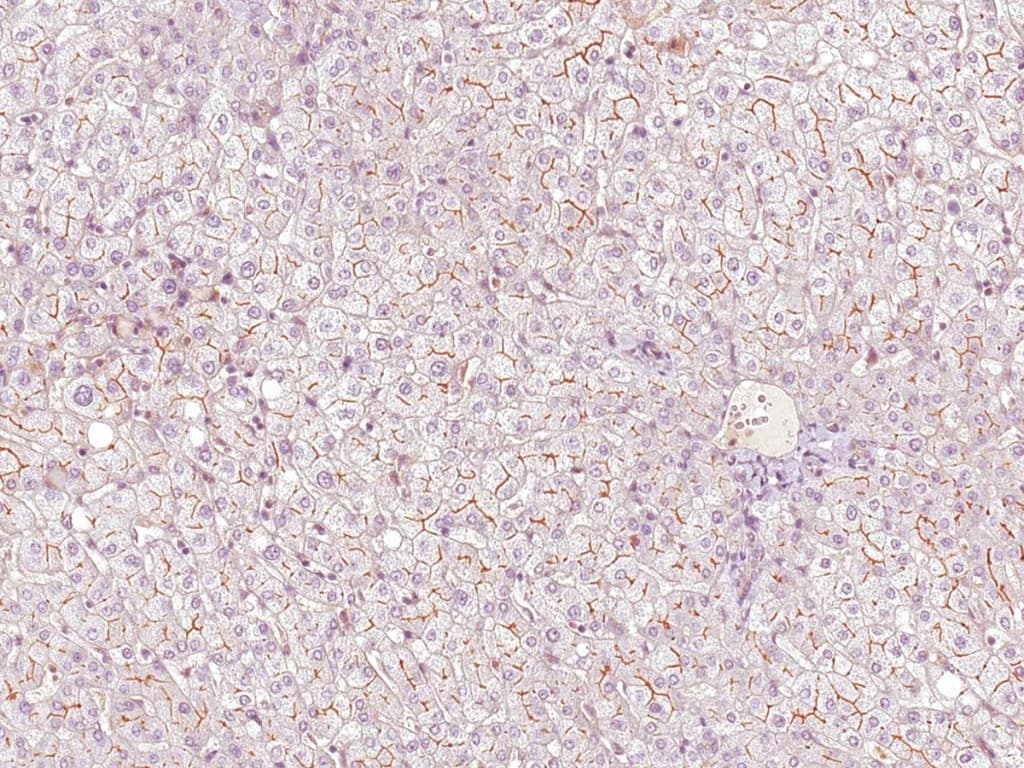


MDR3, also known as ABCB4 (ATP-binding cassette subfamily B member 4), is an ATP-dependent canalicular phospholipid transporter expressed predominantly and physiologically almost exclusively on the apical (canalicular) membrane of hepatocytes. MDR3 functions as a phosphatidylcholine floppase, translocating phosphatidylcholine from the inner to the outer leaflet of the canalicular membrane, where it is subsequently secreted into bile. Biliary phosphatidylcholine is essential for the formation of mixed micelles with bile salts and cholesterol, thereby protecting the biliary epithelium from the detergent effects of bile acids. Loss or reduction of MDR3 activity results in toxic bile composition, cholangiocyte injury, inflammation, fibrosis, and progressive cholestatic liver disease.
Biological Significance of MDR3
- ATP-dependent canalicular transporter responsible for biliary phosphatidylcholine secretion.
- Maintains bile homeostasis and protects bile ducts from bile acid-mediated injury.
- Predominantly localized to hepatocyte canalicular membranes, producing a characteristic canalicular membranous staining pattern by immunohistochemistry.
- Encoded by the ABCB4 gene located on chromosome 7q21.
Diagnostic Utility of MDR3 in Pediatric Pathology
- Valuable for the evaluation of pediatric cholestatic liver diseases and inherited hepatobiliary disorders.
- Supports the diagnosis of Progressive Familial Intrahepatic Cholestasis type 3 (PFIC3), in which MDR3 expression is frequently markedly reduced or absent.
- Assists in differentiating MDR3 deficiency from other causes of pediatric cholestasis, including other forms of PFIC, biliary atresia, neonatal hepatitis, and selected metabolic cholangiopathies.
- MDR3 immunohistochemistry may provide supportive evidence for ABCB4 deficiency when molecular testing is unavailable or yields inconclusive results.
- Complete or markedly reduced canalicular staining is often associated with severe loss-of-function ABCB4 variants and advanced cholestatic liver disease with progressive fibrosis or cirrhosis in children.
Key Features of CE/IVD Anti-MDR3 Antibodies
- Validated for use on formalin-fixed paraffin-embedded (FFPE) tissue sections.
- Optimized for automated immunohistochemistry staining platforms used in clinical diagnostic laboratories.
- Produce crisp and distinct canalicular membranous staining in normal hepatocytes, facilitating interpretation of expression patterns.
- Manufactured under CE/IVD quality and regulatory requirements with validated production and quality-control procedures designed to support reproducible performance.
- Suitable for routine diagnostic pathology applications and translational hepatology research workflows.