

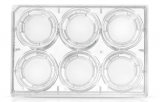
3D cell culture systems have revolutionized biomedical research by enabling scientists to cultivate cells within three-dimensional environments that closely replicate the complex architecture and microenvironment of living tissues. Unlike traditional 2D cultures, which grow cells on flat surfaces, 3D systems support natural cell-cell and cell-extracellular matrix (ECM) interactions, providing enhanced physiological relevance crucial for disease modeling, drug discovery, and regenerative medicine.
Key Features of 3D Cell Culture Systems
-
Enhanced Cell Functionality – Cells in 3D systems exhibit more accurate polarization, differentiation, and gene expression profiles, closely mimicking in vivo behavior.
-
Longer Viability – 3D cultures sustain cell viability and function for weeks, enabling long-term studies not feasible in 2D cultures.
-
Applications – Widely used in cancer research, stem cell biology, toxicology, and personalized medicine, 3D systems improve predictive power for therapeutic responses and reduce reliance on animal models.
Advantages for Researchers
-
Improved Predictability – 3D models reduce the high failure rate of drug candidates by better replicating human tissue responses.
-
Versatility – Compatible with various cell types including primary cells, stem cells, and co-cultures.
-
Scalability – Available in formats suitable for high-throughput screening and automated workflows.
-
Integration with Advanced Technologies – Combined with microfluidics, bioprinting, and AI-driven imaging for enhanced control and analysis.