

Rat April ELISpot

Cat# SPOT2525R-004
Size : 1Set
Brand : Kingfisher Biotech
Contact local distributor :

Phone : +1 850 650 7790

Components
| Usage | Quantity | Component | |
|---|---|---|---|
| Capture Antibody | 100 µg | PB0472R-100 | |
| Detection Antibody | 50 µg X 2 | PBB0481R-050 | |
| Standard Control | 5 µg | RP0383R-005 |
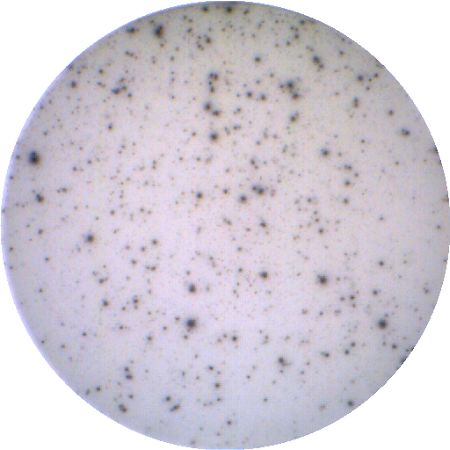
- The Rat APRIL ELISpot assay is designed to evaluate APRIL-secreting cells by sensitively detecting and quantifying low-frequency cytokine-producing cells at the single-cell level. A Proliferation-Inducing Ligand (APRIL; TNFSF13) is a member of the tumor necrosis factor (TNF) superfamily that plays a key role in B cell survival, proliferation, class-switch recombination, and plasma cell maintenance. APRIL signaling through receptors such as TACI and BCMA contributes to regulation of humoral immunity and antibody production. Measurement of APRIL is particularly important in rat research for studying B cell biology, plasma cell development, autoimmune disease, chronic inflammation, and antibody-mediated immune responses in translational and immunology models. This assay enables researchers to quantify APRIL-secreting cells to better understand mechanisms of B cell activation and regulation of humoral immune responses. The Rat APRIL ELISpot kit contains a Capture Antibody, Detection Antibody, and Standard Control sufficient for the development of up to two (2) ELISpot assays. The included antibodies have been validated for performance in an ELISpot assay using the provided Standard Control. Additional materials and reagents required to complete the assay are not included. Individual components may also be purchased separately. Made in the USA. For research use only.
| Use | For Research Use Only. Not for diagnostic or therapeutic use. |
| Storage Conditions | 2°C to 8°C |
| Country Of Origin | USA |
Rat APRIL (A Proliferation-Inducing Ligand), also known as TNFSF13, is a member of the tumor necrosis factor (TNF) superfamily that plays an important role in B cell survival, plasma cell maintenance, and regulation of humoral immunity in rats (Rattus norvegicus). APRIL is produced primarily by monocytes, macrophages, dendritic cells, and certain epithelial and stromal cells, and it signals through the receptors TACI (TNFRSF13B) and BCMA (TNFRSF17) to promote B cell maturation, immunoglobulin class switching, and long-lived plasma cell persistence. In rats, APRIL contributes to mucosal immunity, IgA production, and maintenance of antibody-secreting cells within lymphoid tissues and bone marrow. Dysregulated APRIL expression has been implicated in autoimmune and inflammatory disease models, including experimental arthritis, lupus-like disease, and transplant rejection studies. In biomedical research, rat APRIL is of particular interest in models of antibody-mediated autoimmunity, chronic inflammation, and B cell–related malignancies, where modulation of APRIL signaling is investigated as a strategy to regulate pathological B cell activation and antibody production.
Citations
1 Set
