

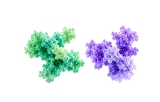
Neurotrophins are a family of structurally related growth factors that regulate the survival, development, and function of neurons in both the central and peripheral nervous systems. The classical neurotrophin family comprises nerve growth factor (NGF), brain-derived neurotrophic factor (BDNF), neurotrophin-3 (NT-3), and neurotrophin-4/5 (NT-4/5). Additional neurotrophic factors include glial cell line-derived neurotrophic factor (GDNF), ciliary neurotrophic factor (CNTF), and others that signal through distinct receptor systems.
Animal-free neurotrophins are recombinant proteins that are both produced in non-animal expression systems and manufactured without the use of any animal-derived reagents or components at any stage of the production process. These reagents address critical safety, reproducibility, and regulatory concerns that arise from conventional production methods relying on animal-derived materials.
Rationale for Animal-Free Production
The shift toward animal-free neurotrophin production is motivated by several scientific and regulatory considerations. Conventional production methods frequently rely on animal-derived components such as fetal bovine serum, which introduces risks including transmissible prions, viral contaminants, and mycoplasma. Animal-derived components also introduce undefined and variable mixtures of proteins that compromise experimental reproducibility.
Animal-free neurotrophins eliminate these risks by employing fully defined production systems with no animal-derived raw materials. A key advantage is lot-to-lot consistency with bioactivity guaranteed, which is critical for reproducible neuroscience research. These reagents support regulatory acceptance of fully defined production systems and align with the principles of replacement, reduction, and refinement in animal research.