

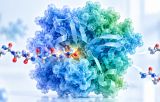
Enterokinase (EC 3.4.21.9), also known as enteropeptidase, is a heterodimeric serine protease of the intestinal brush border that plays a critical role in initiating the proteolytic digestion cascade in the mammalian duodenum. The enzyme acts by converting trypsinogen to trypsin via highly specific cleavage following the pentapeptide recognition sequence Asp-Asp-Asp-Asp-Lys (DDDDK). This exceptional substrate specificity makes enterokinase a valuable tool for the in vitro cleavage of fusion proteins to remove affinity or other tags, a function that is widely exploited in recombinant protein production.
Animal-free enterokinase is a recombinant enzyme that is both produced in a non-animal expression system and manufactured without the use of any animal-derived reagents or components at any stage of the production process. Traditional enterokinase has been extracted from porcine or bovine intestine, a process that is complex, yields low quantities of enzyme, and carries risks of viral and prion contamination. Recombinant enterokinase eliminates these risks while providing higher purity, stronger enzymatic activity, and stable batch-to-batch consistency.
The Enzyme and Its Catalytic Mechanism
Enterokinase is a serine protease that specifically recognizes and cleaves the DDDDK sequence, hydrolyzing the polypeptide at the C-terminus of the lysine residue. The enzyme does not function if the cleavage site is followed by a proline. The light chain of bovine enterokinase, which constitutes the catalytic subunit, consists of a single glycosylated polypeptide chain containing 200 amino acids spanning residues Ile801 to His1035.
The high degree of specificity exhibited by enterokinase makes it suitable for cleaving recombinant proteins to remove affinity or other tags. Unlike Factor Xa and thrombin, which cleave at less specific sites, enterokinase offers superior substrate discrimination. Recombinant enterokinase exhibits higher catalytic activity compared with its natural counterpart and cleaves fusion proteins over a broad pH range (4.5–9.5) and a wide temperature range, retaining partial activity even in the presence of various detergents and denaturing agents.
