MG-132 [133407-82-6]

Referência A2585-10mg
Tamanho : 10mg
Marca : APExBIO Technology
Contactar o distribuidor local :

Telefone : +1 850 650 7790
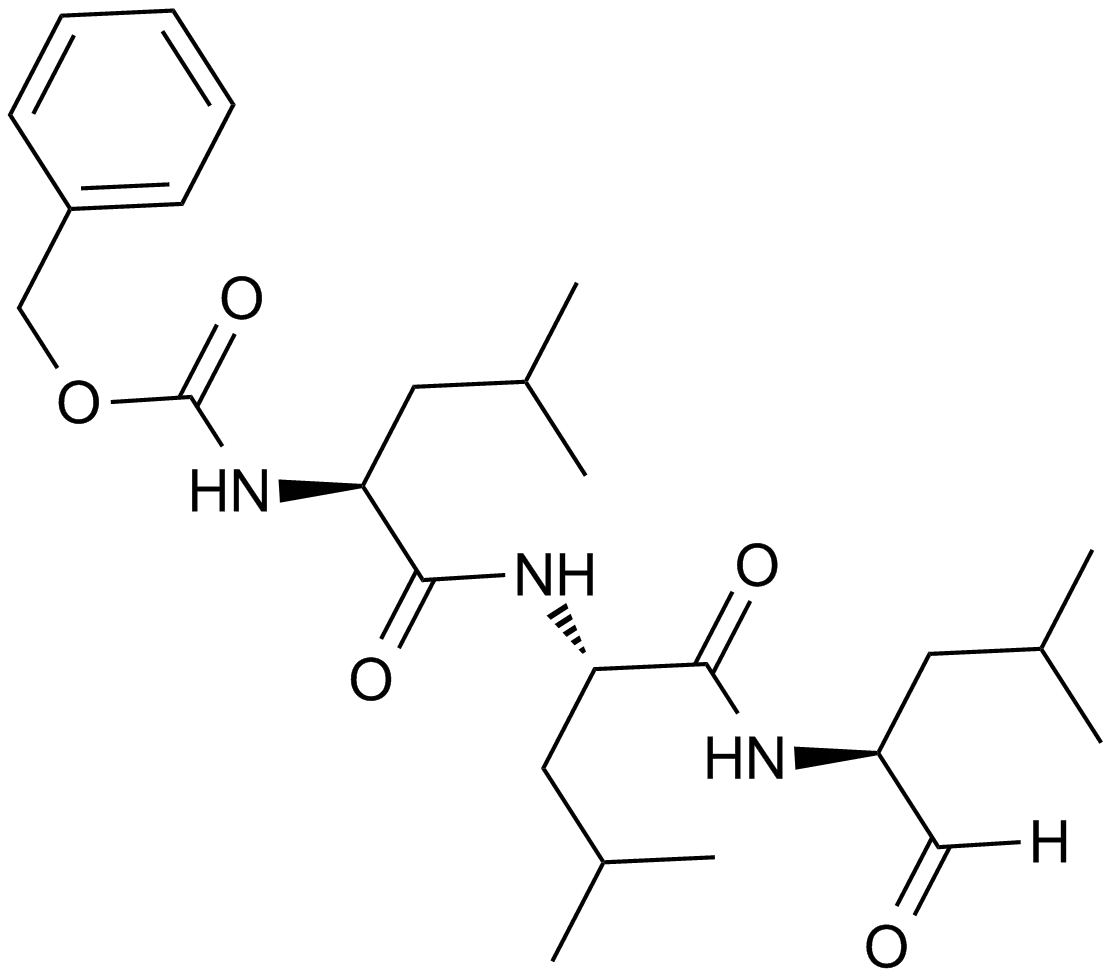
MG-132 (CAS 133407-82-6) is a peptide aldehyde that acts as a proteasome inhibitor. It targets the proteolytic activity of the ubiquitin-proteasome system, triggering intracellular accumulation of proteins, subsequent reactive oxygen species (ROS) production, glutathione depletion, mitochondrial dysfunction, and cytochrome c release, leading to apoptosis. In vitro studies show MG-132 inhibits growth in various cancer cell lines, including A549 lung carcinoma (IC50 20 μM) and HeLa cervical cancer (IC50 5 μM), through cell-cycle arrest predominantly at G1 and G2/M phases. Thus, MG-132 is commonly utilized in apoptosis research and cell-cycle regulation studies.
References:
1. Ling YH, Liebes L, Zou Y and Perez-Soler R. Reactive oxygen species generation and mitochondrial dysfunction in the apoptotic response to Bortezomib, a novel proteasome inhibitor, in human H460 non-small cell lung cancer cells, 2003; 278: 33714–33723.
2. Qiu JH, Asai A, Chi S, et al. Proteasome inhibitors induce cytochrome c-caspase-3-like protease-mediated apoptosis in cultured cortical neurons. J Neurosci 2000; 20: 259–265.
3. YH. Han, WH. Park, MG132 as a proteasome inhibitor induces cell growth inhibition and cell death in A549 lung cancer cells via influencing reactive oxygen species and GSH level, Human and Experimental Toxicology, 29(7) 607–614.
4. Wu WK, Wu YC, Yu L, et al. Induction of autophagy by proteasome inhibitor is associated with proliferative arrest in colon cancer cells. Biochem Biophys Res Commun 2008; 374: 258–263.
5. Yan XB, Yang DS, Gao X, et al. Caspase-8 dependent osteosarcoma cell apoptosis induced by proteasome inhibitor MG132. Cell Biol Int 2007; 31: 1136–1143.
6. ZhangW, Tong Q, Li S, Wang X andWang Q.MG-132 inhibits telomerase activity, induces apoptosis and G(1) arrest associated with upregulated p27kip1 expression and downregulated survivin expression in gastric carcinoma cells. Cancer Invest 2008; 26:1032–1036.
7. Wu HM, Chi KH, Lin WW. Proteasome inhibitors stimulate activator protein-1 pathway via reactive oxygen species production. FEBS Lett 2002; 526: 101–105.
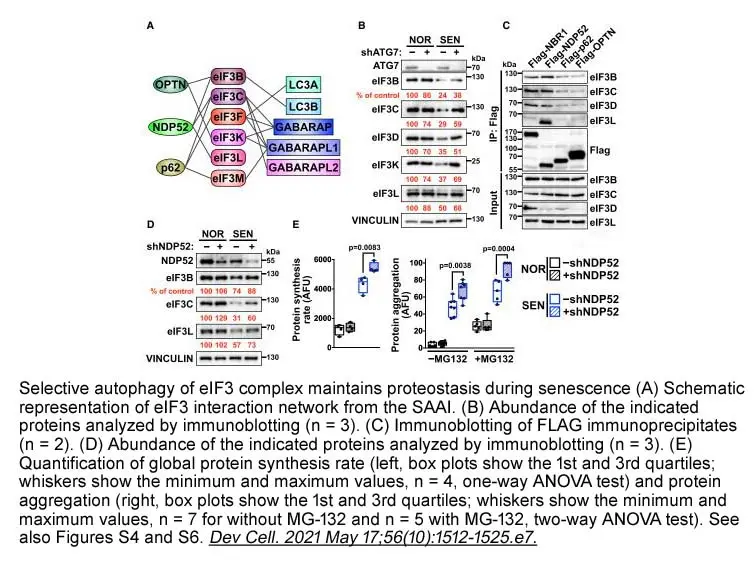
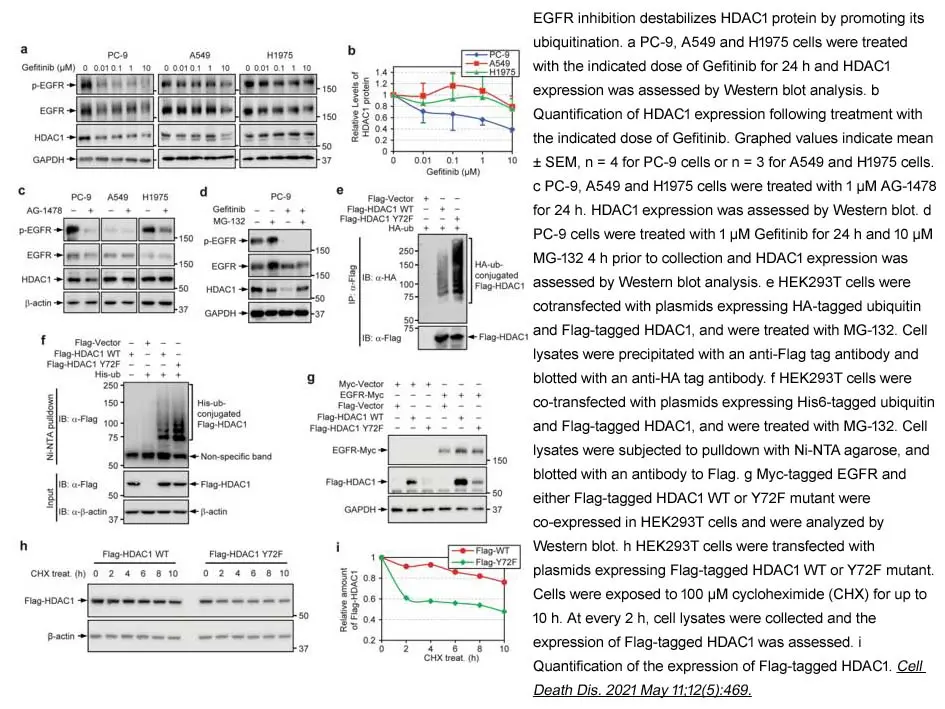
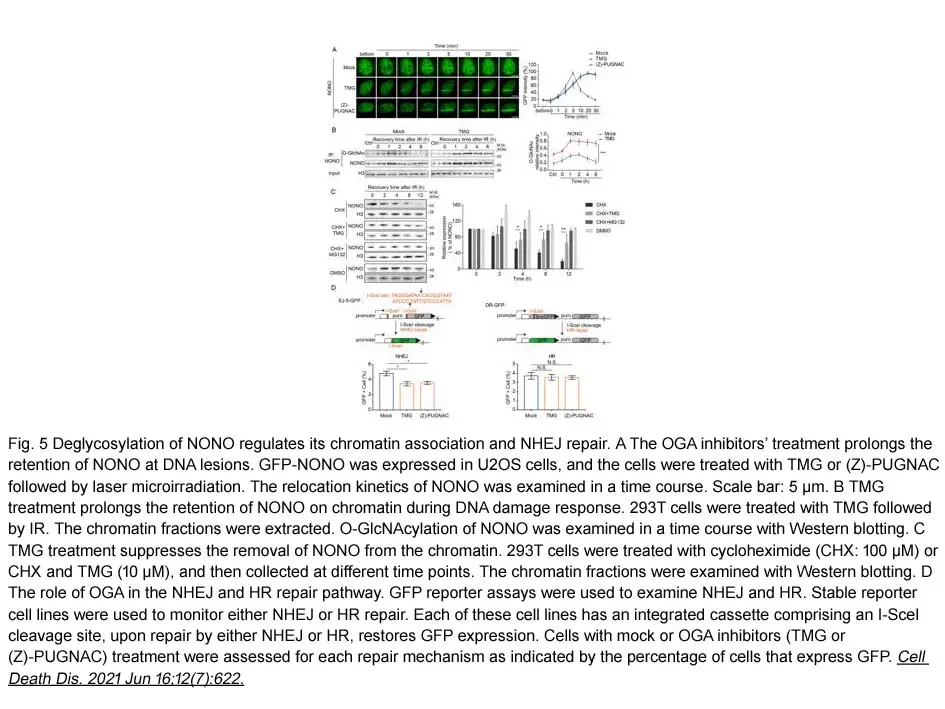
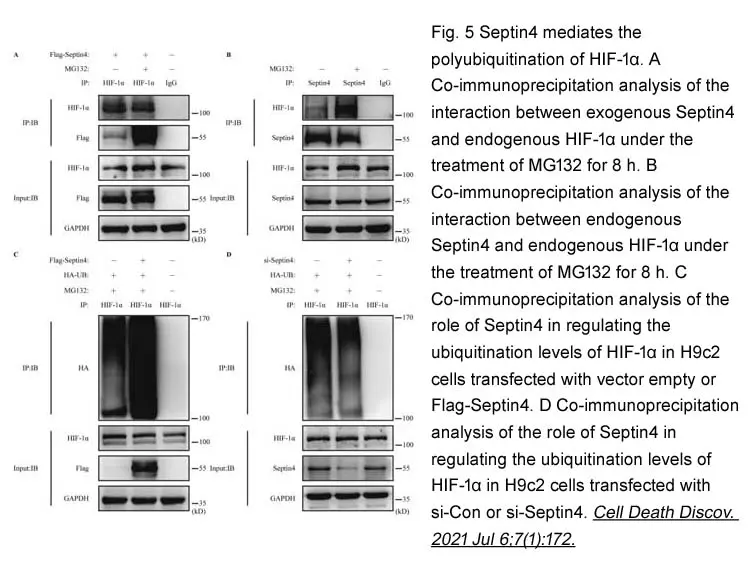
- 1. Wenxiang Xie, Yifang Zhu, et al. "S-nitrosylation-mediated differential regulation of STOP1 and STAR1 coordinates external and internal aluminum resistance in Arabidopsis." Mol Plant. 2026 May 29:S1674-2052(26)00161-9. PMID: 42216448
- 2. Hui Lu, Sai Wang, et al. "From locus to gene: causal inference and experimental validation prioritize PSMA4 as a candidate target in lung adenocarcinoma." Am J Cancer Res. 2026 Apr 25;16(4):1509-1539. PMID: 42163891
- 3. Shunkang Zhou, Maoxin Lin, et al. "SINAT proteins modulate autophagic vesicle degradation by regulating V-ATPase subunit proteolysis in Arabidopsis." Autophagy. 2026 May 10:1-18. PMID: 42107009
- 4. Jumin Park, Soo-Hyun Kim, et al. "BCR:: ABL1 tyrosine kinase inhibitors induce ribosome collisions to activate ZAK-dependent ribotoxic stress and apoptosis in chronic myeloid leukemia." Leukemia. 2026 Mar 30. PMID: 41912913
- 5. Xiaoyang Cao, Juzheng Sui, et al. "A conserved mammalian mecciRNA, mecciATP6, regulates mitochondrial homeostasis through interaction with HNRNPA3." Noncoding RNA Res. 2026 Mar 19:19:28-39. PMID: 41909761
- 6. Dan-Ni Chen, Jia-Ming Wang, et al. "KIF26B promotes bladder cancer progression through activating the NF-κB signaling pathway." iScience Volume 29, Issue 7, 17 July 2026, 116577
| Storage | Store at -20°C The product is not stable in solution, please dissolve it immediately before use. |
| M.Wt | 475.6 |
| Cas No. | 133407-82-6 |
| Formula | C26H41N3O5 |
| Synonyms | MG132,Z-LLL-al,Z-Leu-Leu-Leu-CHO |
| Solubility | ≥23.78 mg/mL in DMSO; insoluble in H2O; ≥49.5 mg/mL in EtOH |
| Chemical Name | benzyl N-[(2S)-4-methyl-1-[[(2S)-4-methyl-1-[[(2S)-4-methyl-1-oxopentan-2-yl]amino]-1-oxopentan-2-yl]amino]-1-oxopentan-2-yl]carbamate |
| Canonical SMILES | CC(C)C[C@@H](C=O)NC([C@H](CC(C)C)NC([C@H](CC(C)C)NC(OCc1ccccc1)=O)=O)=O |
| Shipping Condition | Small Molecules with Blue Ice, Modified Nucleotides with Dry Ice. |
| General tips | We do not recommend long-term storage for the solution, please use it up soon. |
| Kinase experiment: | |
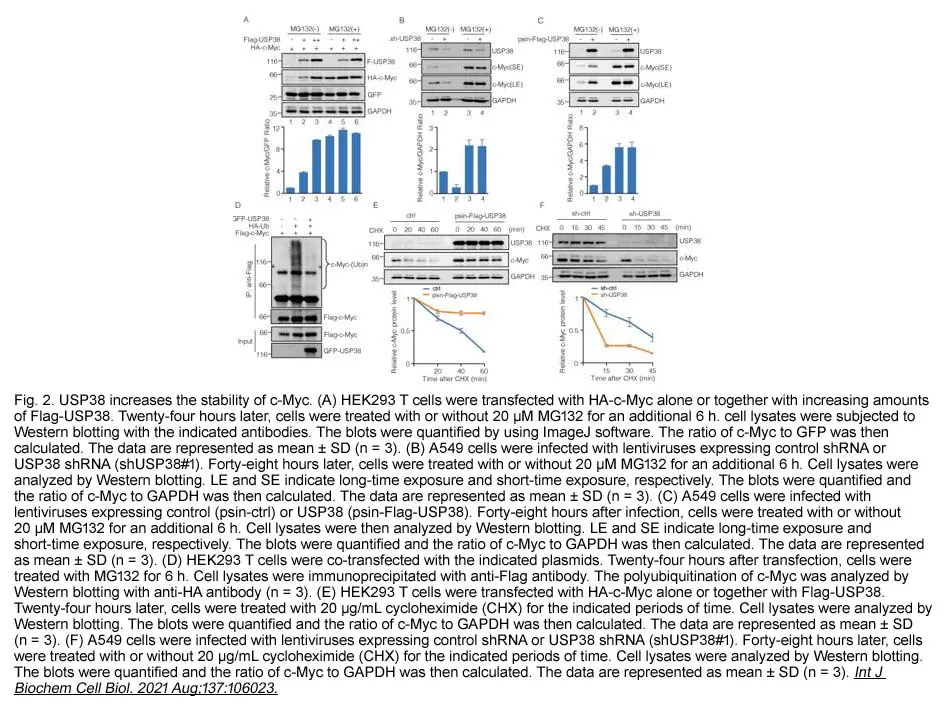
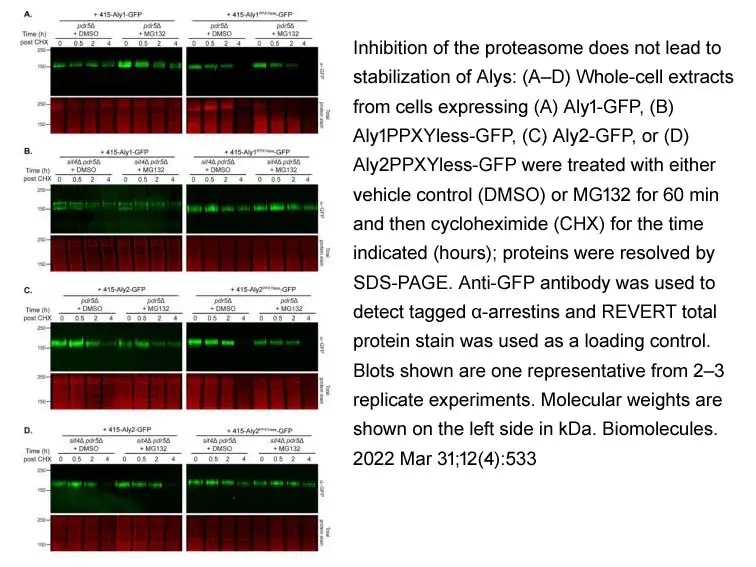
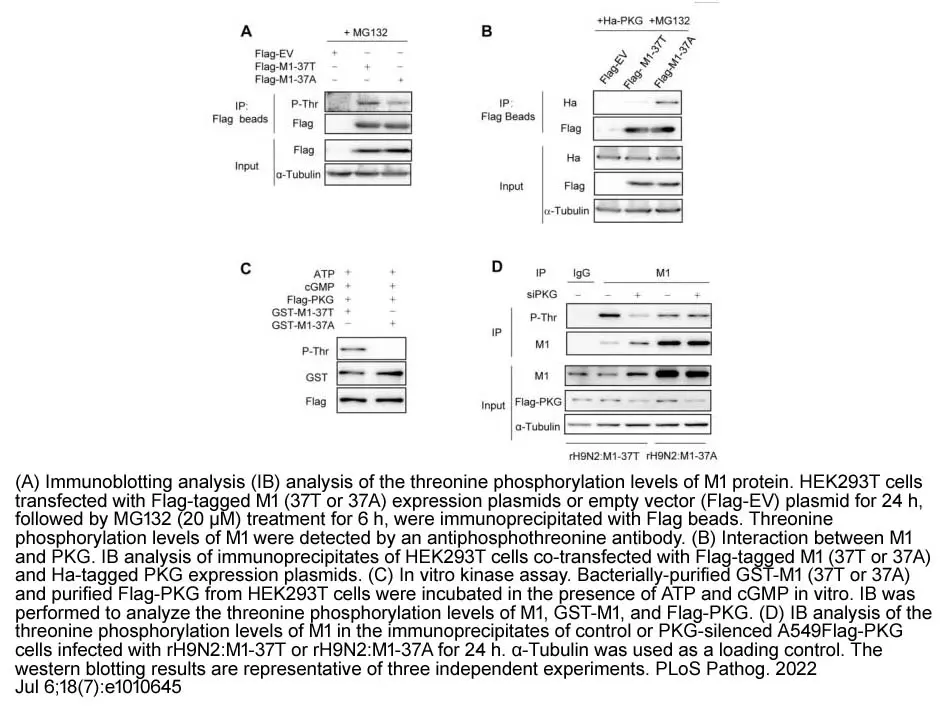
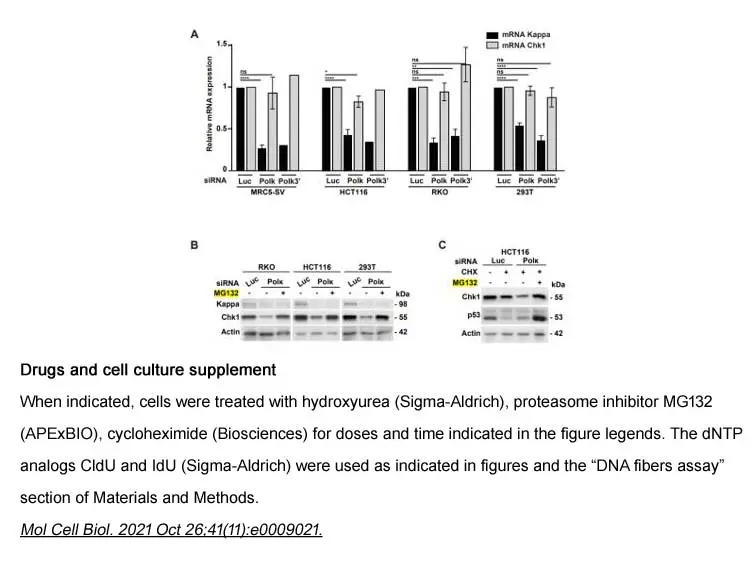
| Inhibitory activities of MG-132 towards proteasome complex 9 | MG-132 acts as a peptide aldehyde effectively blocks the proteolytic activity of proteasome complex 9. Proteasome inhibitors including MG-132 have been shown to induce apoptotic cell death through formation of ROS. ROS formation and GSH depletion due to proteasome inhibitors may cause mitochondrial dysfunction and subsequent cytochrome C release, which leads to cell viability loss [ 1, 2]. |
| Cell experiment: | |
| Cell lines | A549 cells, human cervical HeLa cancer cells, HT-29 colon cancer cells, MG-63 osteosarcoma cell etc. |
| Preparation method | The solubility of this compound in DMSO is >23.8mg/mL. General tips for obtaining a higher concentration: Please warm the tube at 37 °C for 10 minutes and/or shake it in the ultrasonic bath for a while.Stock solution can be stored below -20°C for several months. |
| Reaction Conditions | 24-48 h |
| Applications | MG-132 is a membrane-permeable proteasome inhibitor. It is used to Induce neurite outgrowth in PC12 cells at 10 μM. MG132 dose dependently inhibited the growth of A549 cells with an IC50 of approximately 20 µM. MG-132 also reduced the growth of human cervical HeLa cancer cells with an IC50 of approximately 5 µM. Treatment with 0.5 µM MG-132 significantly decreased the growth of HeLa cells and induced cell death as well [3]. MG-132 inhibits the growth of HT-29 colon cancer cells via inducing G2/M cell cycle arrest [4], causes MG-63 osteosarcoma cell arrest at G2/M phase [5], prolongs the duration of G0/G1 arrest in MnCl2-treated A549 cells and induces a G1 arrest in gastric carcinoma cells [6]. |
| Animal experiment [3]: | |
| Animal models | C57BL mice |
| Dosage form | ~10 ug/kg/day, injection from tail vein or belly |
| Preparation method | Powder dissolved in DMSO to prepare stock solution with 10 mg/ml, and working solution is diluted by PBS or Saline. pH equals to 7. |
| Other notes | Please test the solubility of all compounds indoor, and the actual solubility may slightly differ with the theoretical value. This is caused by an experimental system error and it is normal. |
| References: 1. Ling YH, Liebes L, Zou Y and Perez-Soler R. Reactive oxygen species generation and mitochondrial dysfunction in the apoptotic response to Bortezomib, a novel proteasome inhibitor, in human H460 non-small cell lung cancer cells, 2003; 278: 33714–33723. 2. Qiu JH, Asai A, Chi S, et al. Proteasome inhibitors induce cytochrome c-caspase-3-like protease-mediated apoptosis in cultured cortical neurons. J Neurosci 2000; 20: 259–265. 3. YH. Han, WH. Park, MG132 as a proteasome inhibitor induces cell growth inhibition and cell death in A549 lung cancer cells via influencing reactive oxygen species and GSH level, Human and Experimental Toxicology, 29(7) 607–614. 4. Wu WK, Wu YC, Yu L, et al. Induction of autophagy by proteasome inhibitor is associated with proliferative arrest in colon cancer cells. Biochem Biophys Res Commun 2008; 374: 258–263. 5. Yan XB, Yang DS, Gao X, et al. Caspase-8 dependent osteosarcoma cell apoptosis induced by proteasome inhibitor MG132. Cell Biol Int 2007; 31: 1136–1143. 6. ZhangW, Tong Q, Li S, Wang X andWang Q.MG-132 inhibits telomerase activity, induces apoptosis and G(1) arrest associated with upregulated p27kip1 expression and downregulated survivin expression in gastric carcinoma cells. Cancer Invest 2008; 26:1032–1036. | |
| Description | MG-132 is an inhibitor of proteasome with IC50 of 100 nM, and also inhibits calpain with IC50 of 1.2 μM. | |||||
| Targets | Proteasome | |||||
| IC50 | 100 nM | |||||
Quality Control & MSDS
- View current batch: